Showing posts with label PC games. Show all posts

Sunday, June 16, 2013

Elder Sign Omens (Android version) review

Never thought I would review a tablet game, but it seems like boardgames of great quality are slowly finding their way onto the tablets. It sure is an interesting development, and I can say that if more games that interested me were to be released on tablets (and Android in particular) I would buy them if they supported both single and multiplayer options.

Elder Sign Omens is a digital version of Elder Sign, a card/dice game that I would have never picked up since I don't like games card/dice games. I simply find them very abstract, have a cumbersome amount of components and require you to keep all the information in your head while playing without any real aid from such things that a real boardgame offers. As it turns out the digital version of Elder Sign fixed a lot of these issues and is a really enjoyable and to me also a very addictive game with superb production and replay value.

It's quite an achievement to keep me interested in a game like this for two straight afternoons, but the game has a lot more depth and tactical choices than it may appear on the outset. Add to that - it's challenging as hell! The difficulty level varies between the Great Old One's but you will always have to rely on the synergy between your investigators, use their skills to the max, and be careful about which adventures you play and in what order.

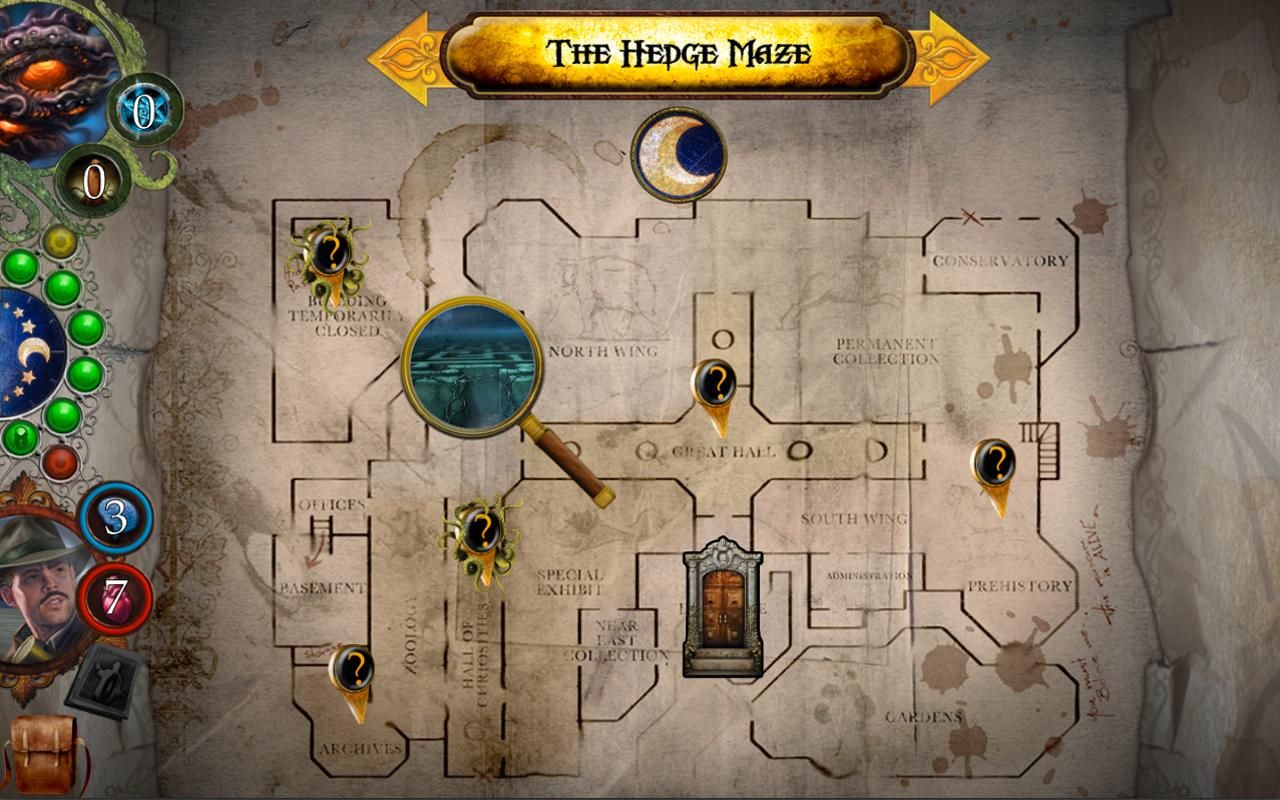
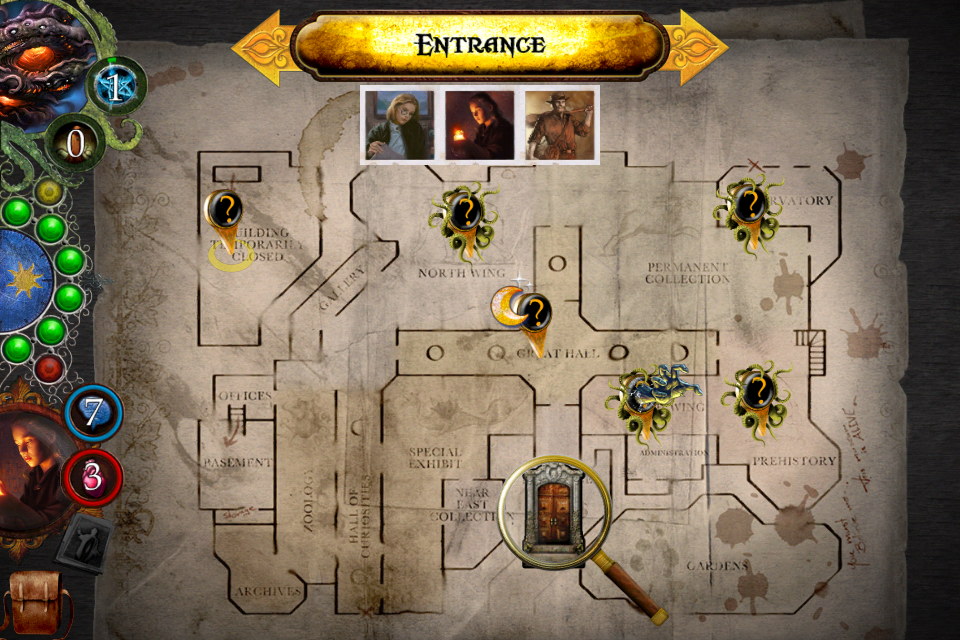
The goal of the game for the investigators is to collect Elder Signs, each Old One requires a fixed number to be stopped. These are collected by investigators visiting areas on the map in highlighted "adventures". Each adventure comes with a description of rewards for winning it, penalties for losing it, and potential rewards. Not all adventures award you with Elder Signs, most adventures reward you with artifacts, spells, items and things that boost your investigators.

Entering an adventure with an investigator has you roll dice from the common pool (6 green dice), the values on the dice have to match the symbols on one or more "tasks". Each task must have its required symbols matched and paid in order to be solved. The tricky part of the game is that you always have a starting pool of 6 dice, they are D6 with the symbols Clue tokens with the values 1/2/3 Clue, Peril, Horror and Lore. When you roll dice and have symbols that match the requirement - and use them to pay for a task - the dice are spent and your next roll will be at a reduced rate.

Likewise if you roll and have zero matching results, you are allowed to re-roll results, but each re-roll costs you 1 dice. There are some nice twists to this feature, when you pay for a re-roll a single adventurer may "lock" one symbol in place until it is spent, this makes it easier to match results that require the less common symbols (other than the clue token symbol). If you have more than one adventurer on adventure spot you can lock as many dice in place as you have investigators when paying for a re-roll. This can mean the difference between success and failure on the really difficult tasks and adventures.

Players can also boost their dice pool with a red and a yellow special die, if they spend common and unique items before a roll is made. This is also vital to complete difficult tasks - the yellow and red dice are also offer a different rate of symbols compared to the standard green dice.

Add to this the special rules for each investigator, special rules for adventures, penalties from the Great Old One in play and monster which occupy adventure spots and add penalties such as increasing the number of tasks, adding sanity and stamina damage or even lock certain dice reducing your pool unless they are killed.

The core game offers only one location (the museum), 4 Great Old Ones and a limited number of investigators. You unlock one extra investigator by completing the hardest campaign (and each of the expansions also allow you to unlock one additional investigator in each). It still offers a lot of challenge and fun trying out different teams and teams of varied size offer different possibilities and limitations. I liked the game so much that after beating the Azathoth campaign I decided to buy all the existing expansions which add a Cthulhu, a Ithaqua and a Nyarlahotep themed campaign.

The expansions are well worth the money if you end up liking the core game since they add a lot of new stuff to the game, additional investigators, monsters and adventures. The campaigns themselves also differ from the core campaign and add additional twists to how the game plays. The Cthulhu campaign starts out in the Arkham Museum and halfway through it moves on to an ocean region where players have to find artefacts to protect them from Cthulhu as well as spending clue tokens during adventures in order to find R'lyeh and defeat Cthulhu by doing adventures in the underwater city (which are extremely difficult to accomplish). The Ithaqua campaign too starts out in the museum with the difference that players collect equipment and items but also special crates with provisions needed for the second half of the game when you travel to Alaska - if you don't have crates of food to spend each turn your investigators will ultimately starve - making it a great challenge.

The Nyarlahotep campaign starts out in Cairo and players have two days to gather equipment and supplies as well as special "Allies" which are valuable help during later parts of the game when you search the desert for an ancient tomb. All of the 4 available campaigns offer different challenges and with a full array of characters and old one's the game has a LOT of depth and content.
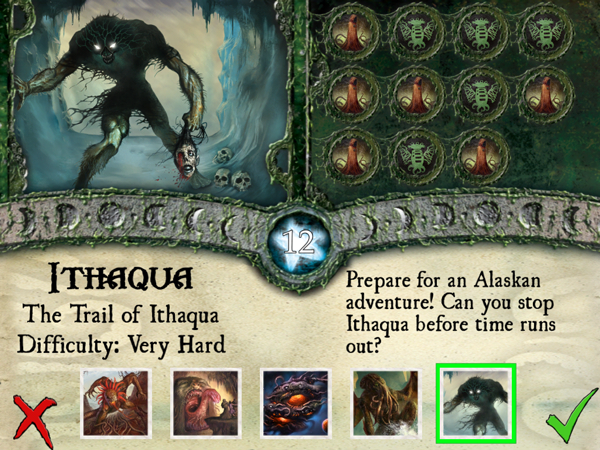
Adding to that, it has great sound effects, very atmospheric music and just amazing artwork which is borrowed from the many games on the Lovecraft mythos Fantasy Flight Games has released over the years.

You can play Elder Sign Omens either by yourself and control all investigators or make it a multiplayer experience with up to 4 people, each controlling their own investiagor. The game does not however feature online multiplayer, so games with multiple gamers will have to be conducted "old style" around a shared tablet.

Best part of all of this is that the game is dirt cheap, and the expansions while almost priced as high as the core game still make the complete bundle a LOT cheaper than buying the real boardgame with all expansions. I think the total cost was 80-90SEK for the core game and the three expansions.

I hope this game is successful enough for Fantasy Flight Games to convert more of their games into digital versions. Would love to play Arkham Horror, Mansions of Madness, Battles of Westeros or other high quality games without having to worry about all the components and setup time.

I rate the game a 9/10It would have been a 10/10 if all the core Old One's would have had their own special campaigns like in the three expansions.

Also worth mentioning, this game requires Android 2.2 and later to run according to Google Play store

Saturday, May 25, 2013

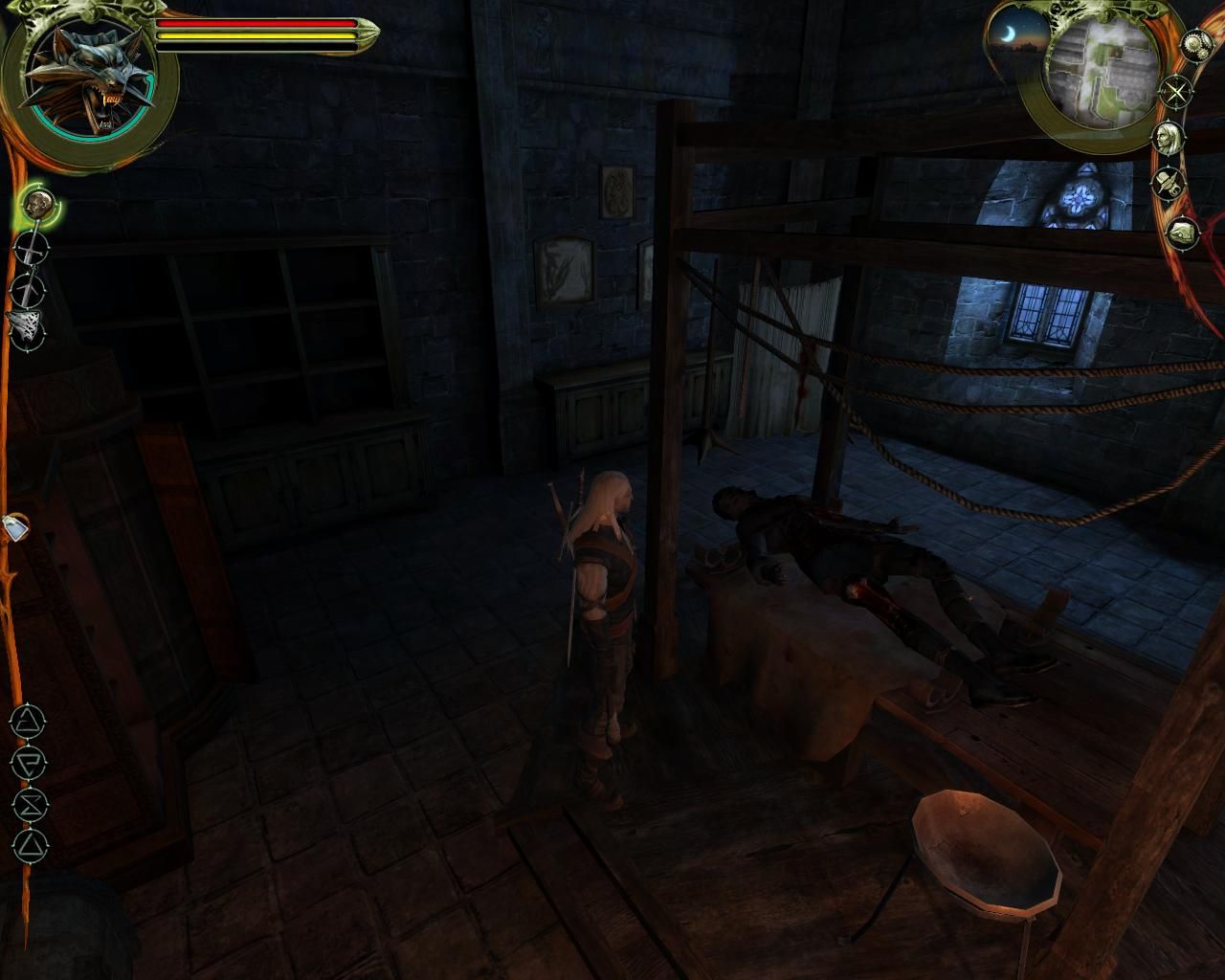
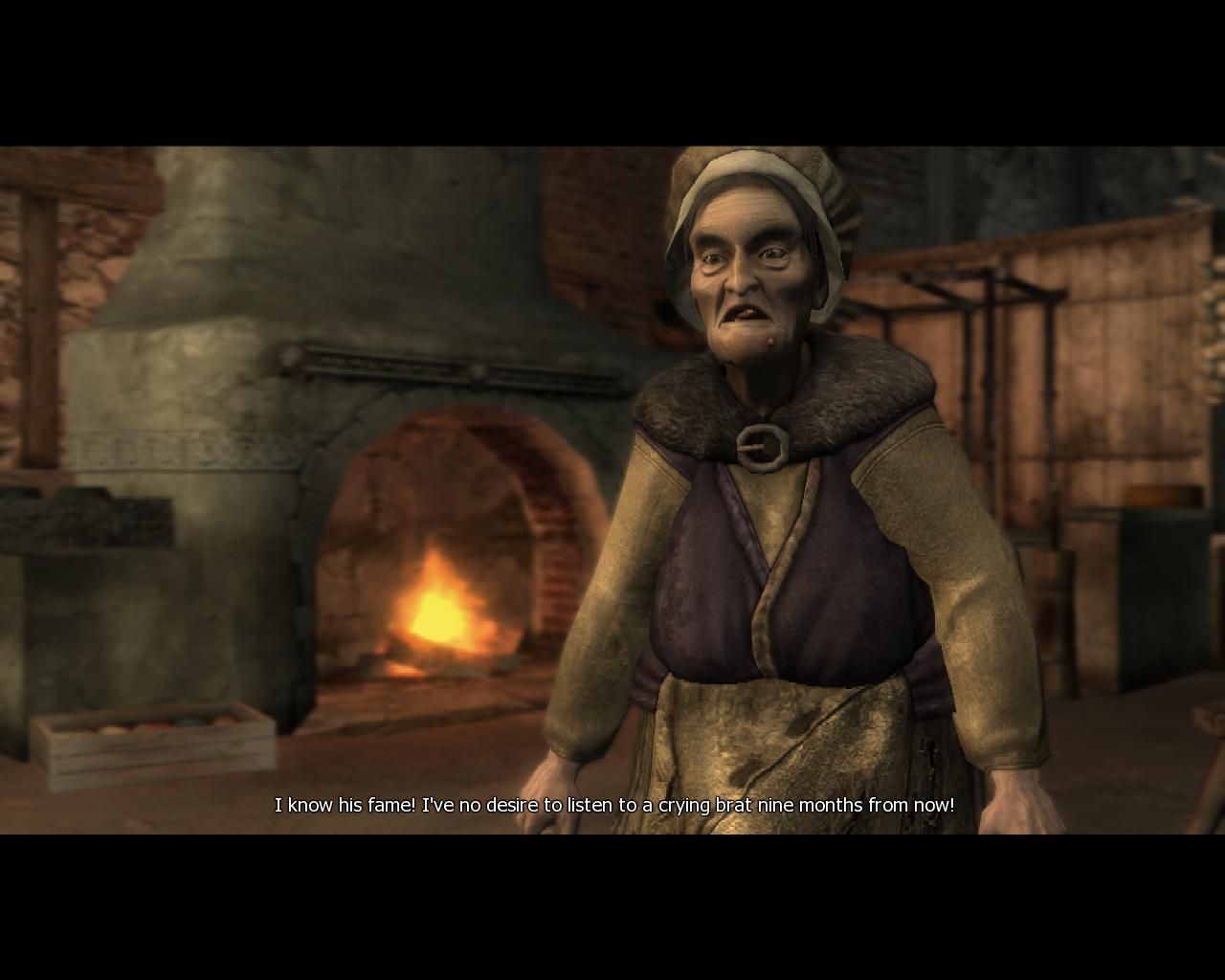
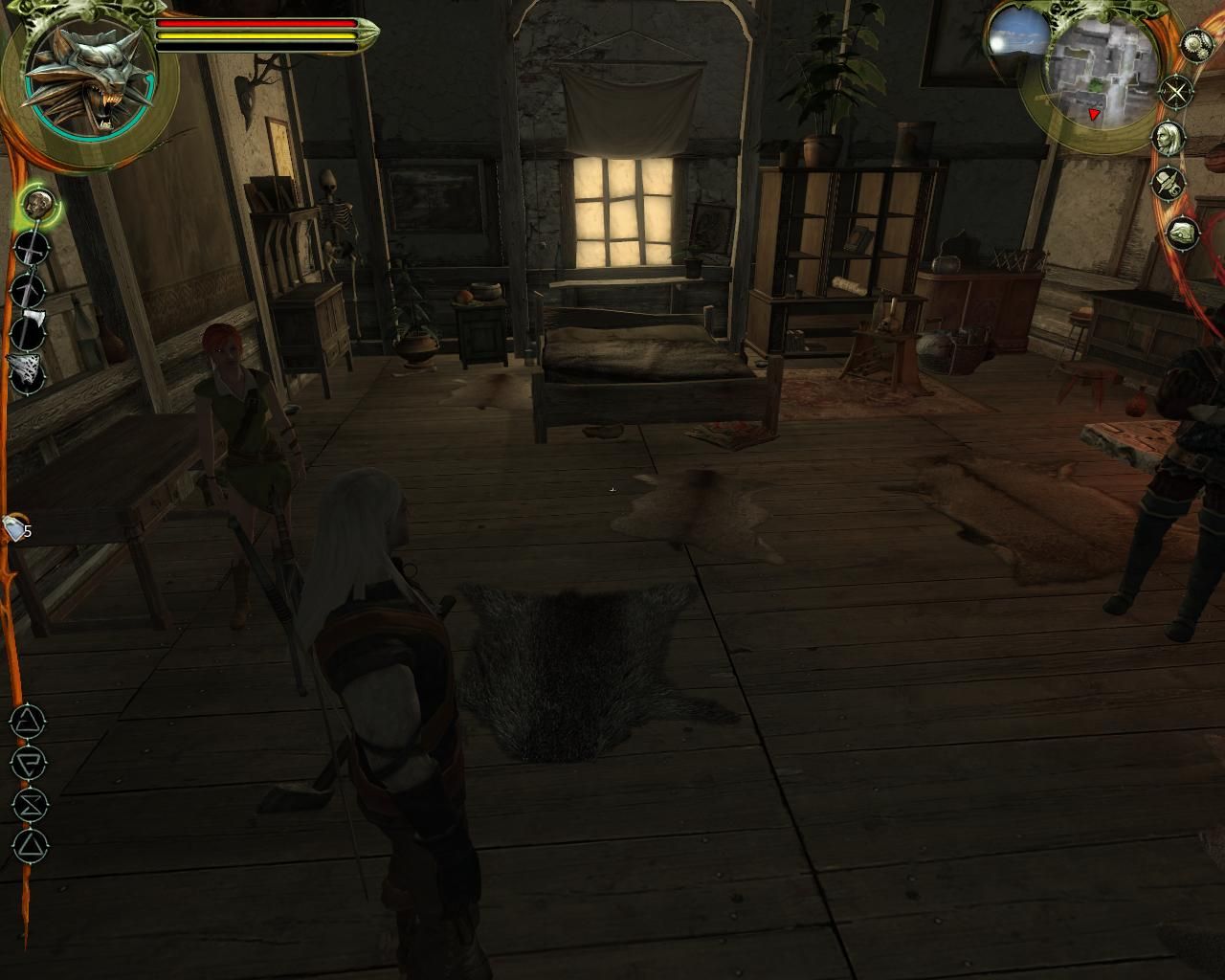
Back to playing Witcher 1

I've been listening to Polish audiobook versions of the Witcher saga while painting lately, courtesy of MiSiO from the By Fire & Sword forum. Of course the stories made me want to replay the first two games while I eagerly await the third installment (to be released in 2014).

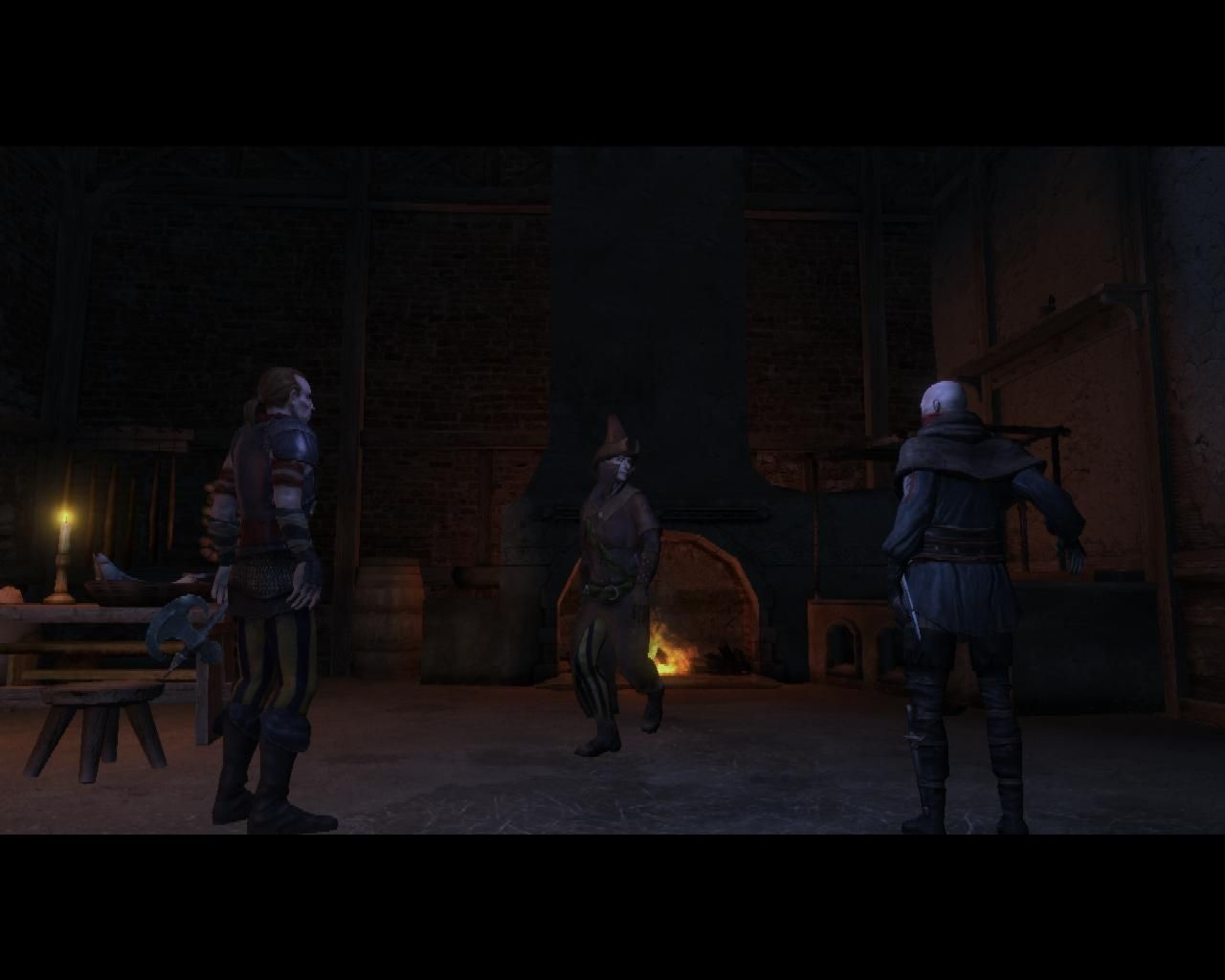
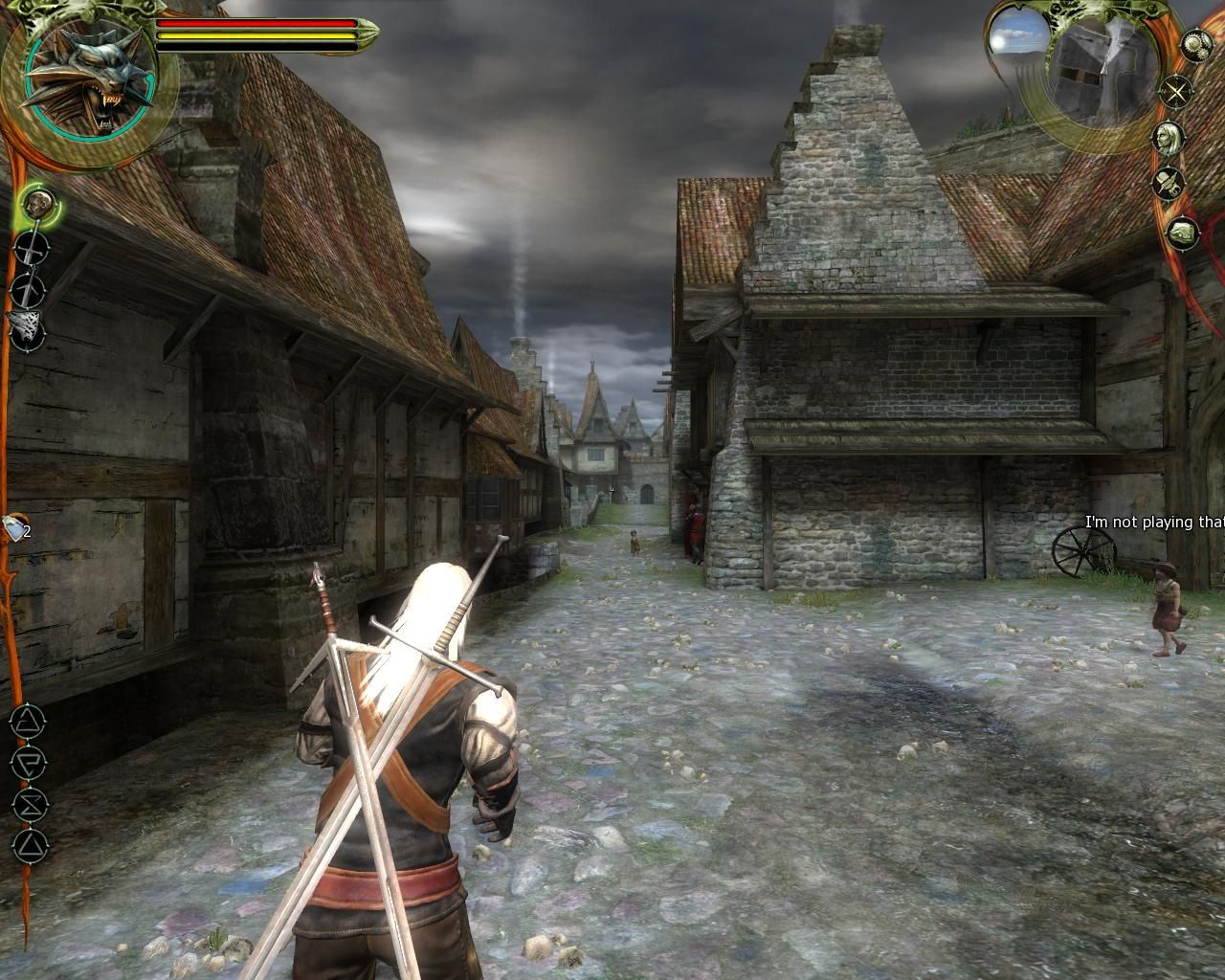
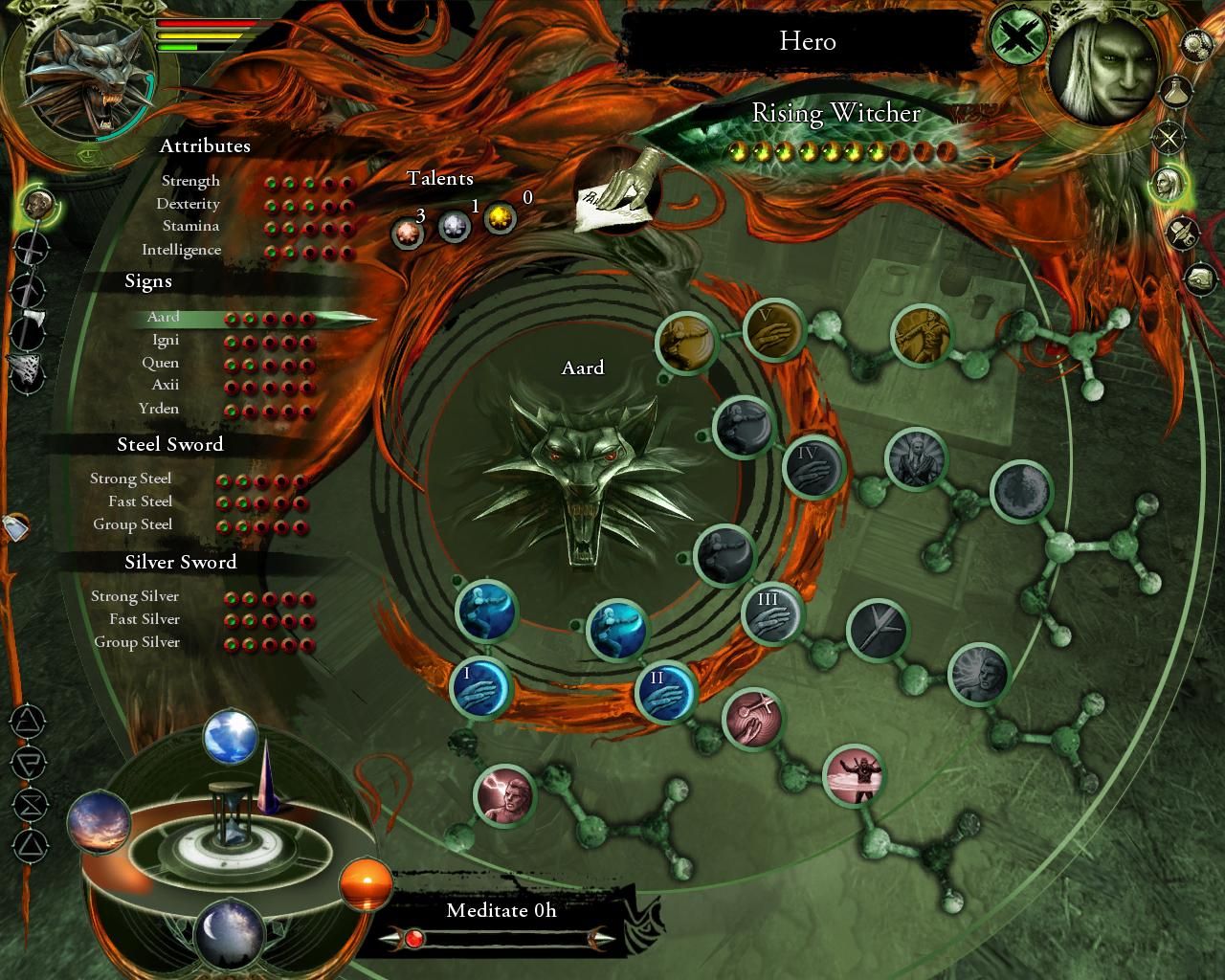
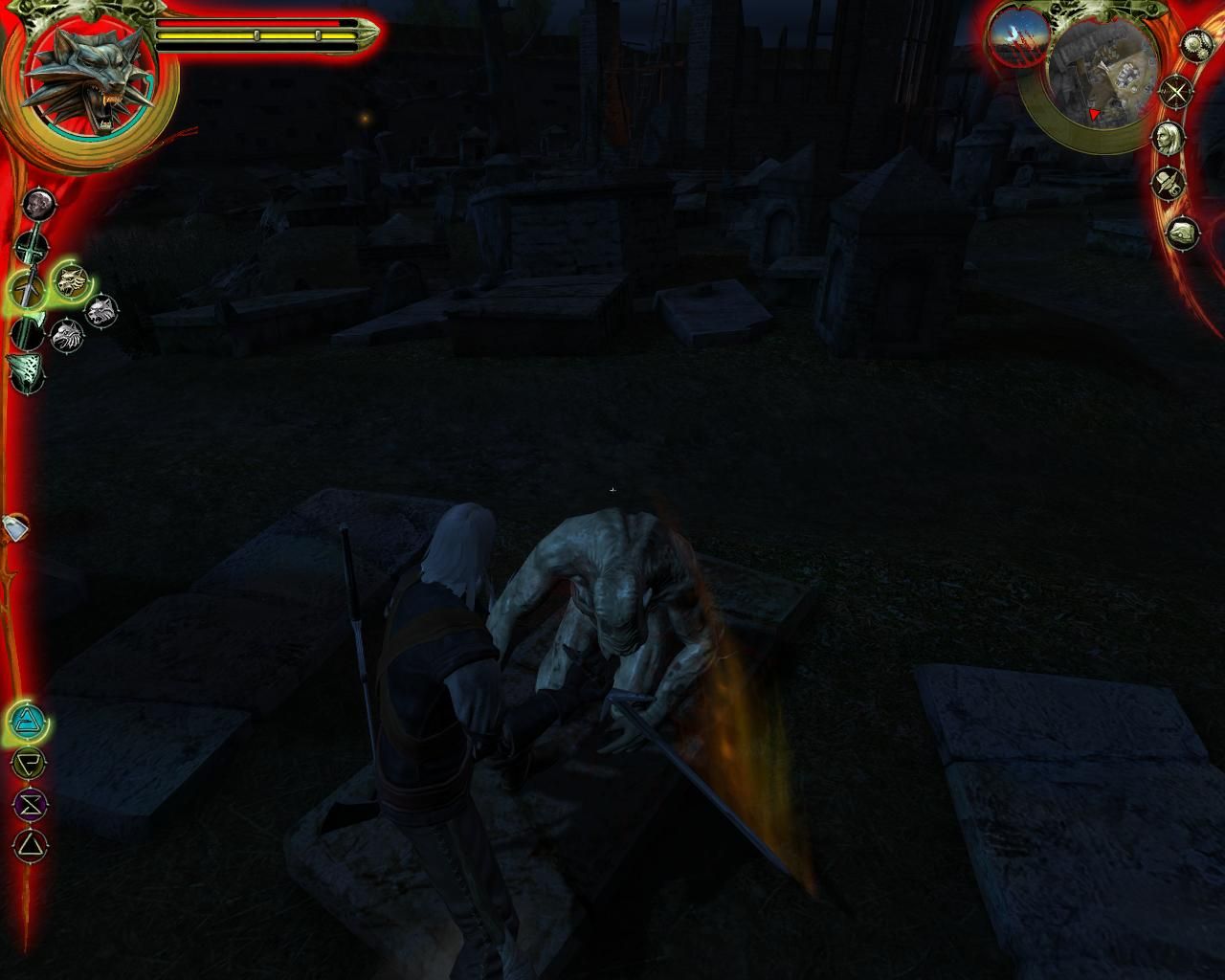
I had forgotten just how good Witcher 1 is, it does have a very dull prologue chapter, but once the adventure begins for real it is a blast. It's also interesting to see the many differences between Witcher 1 and Witcher 2. The combat was remade in the sequel in a way that makes it more fluid and without restrictions, while the first game had fixed combat styles and skills tied to the steel and silver swords used in battle.
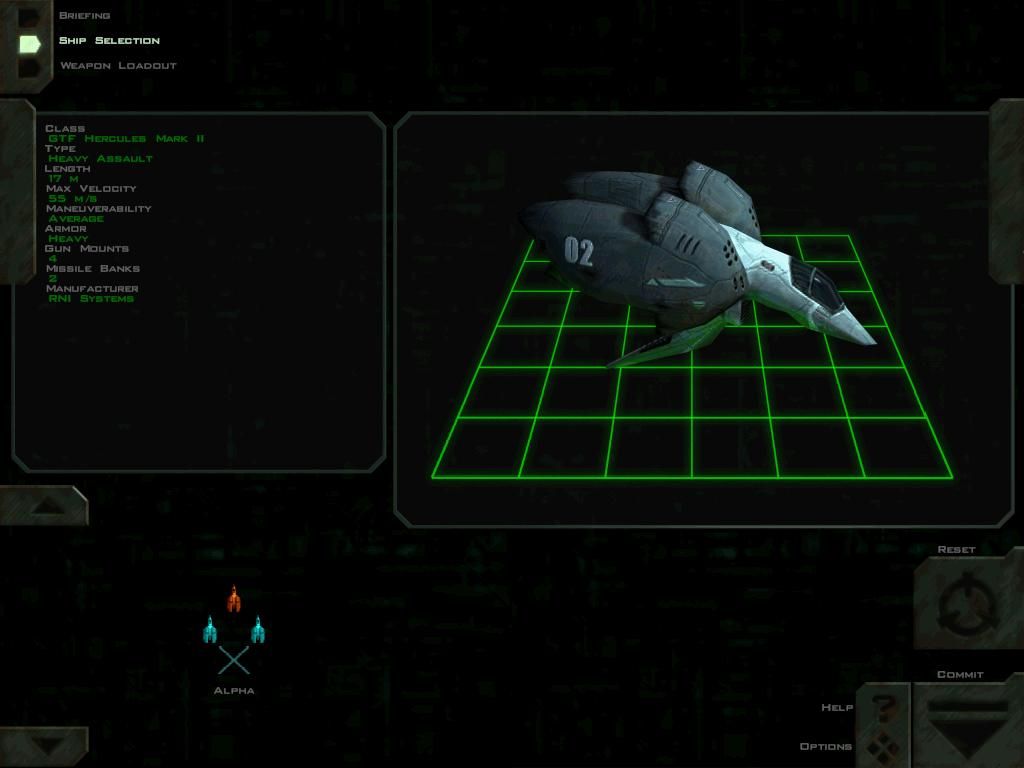
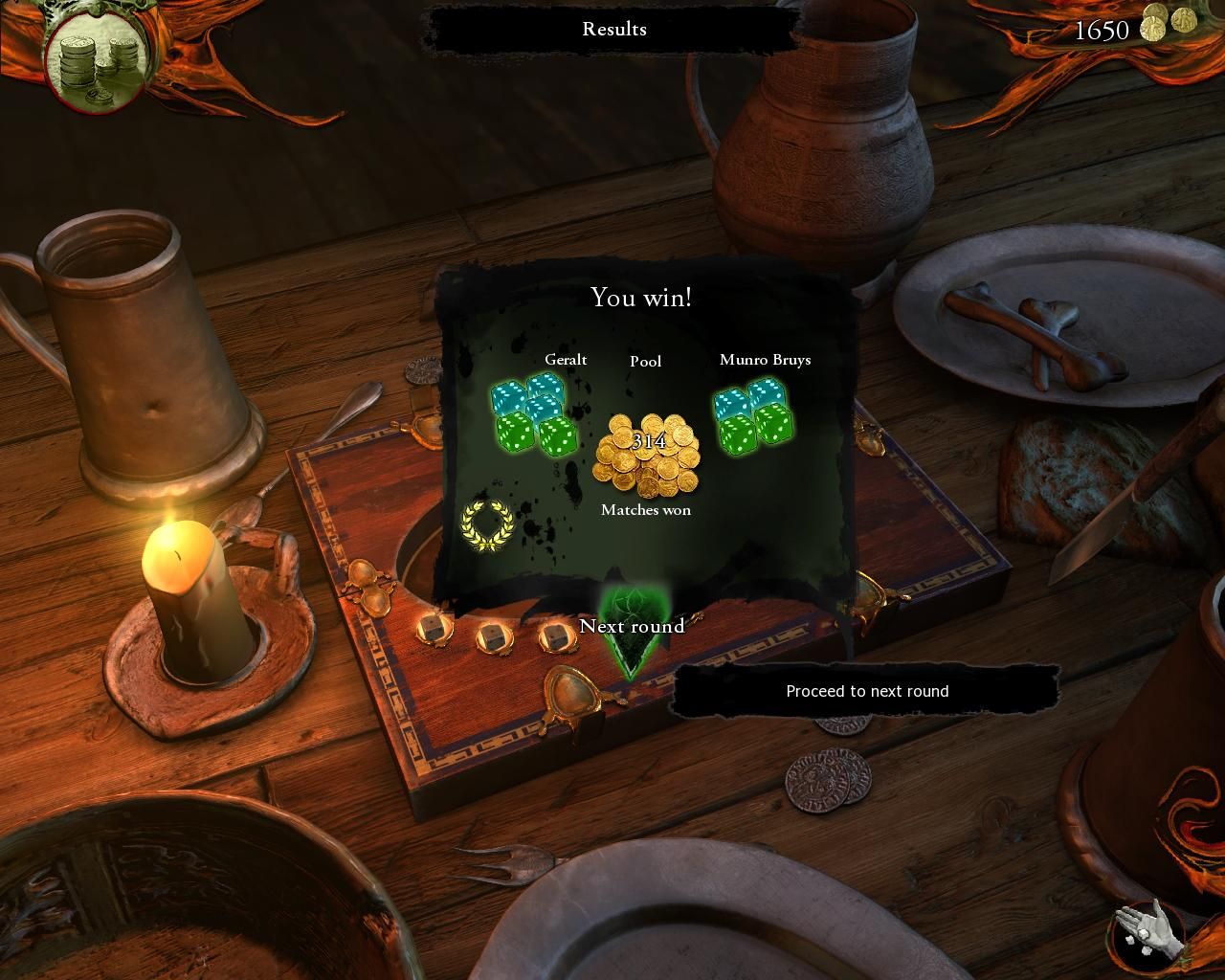
Personally I like the distinction between the combat styles in Witcher 1. Another thing that is a lot better in the first game are the mini-games and the dice Poker in particular. The mini games were too streamlined and easy in the sequel whereas you can actually enjoy them in the first game.
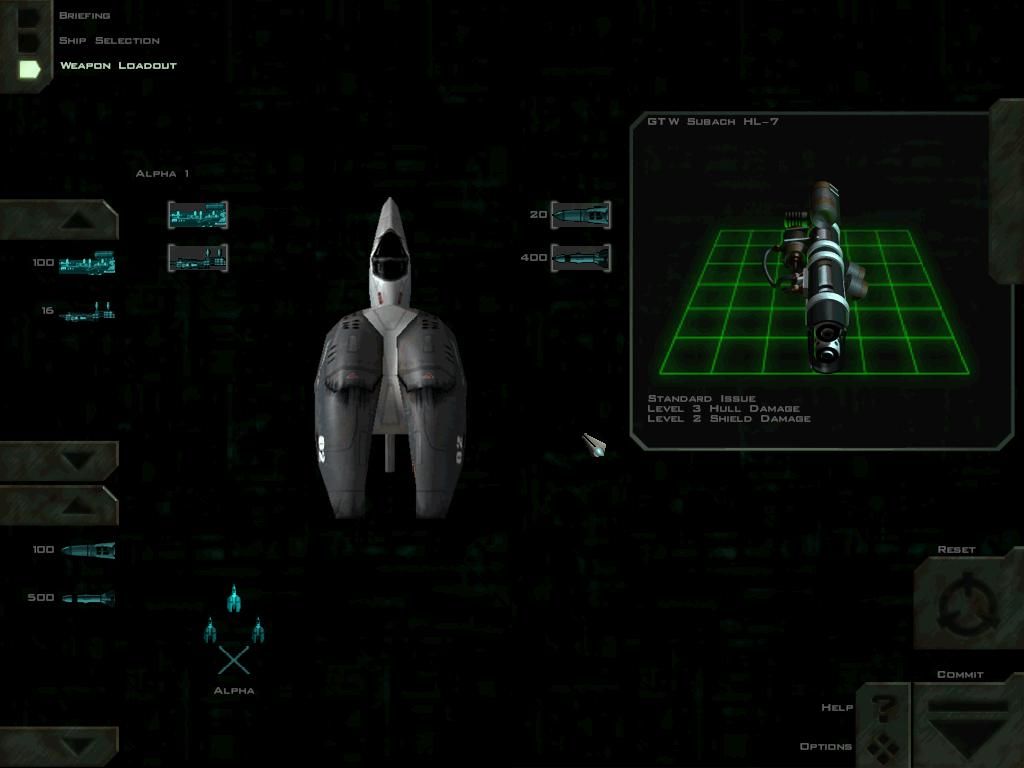
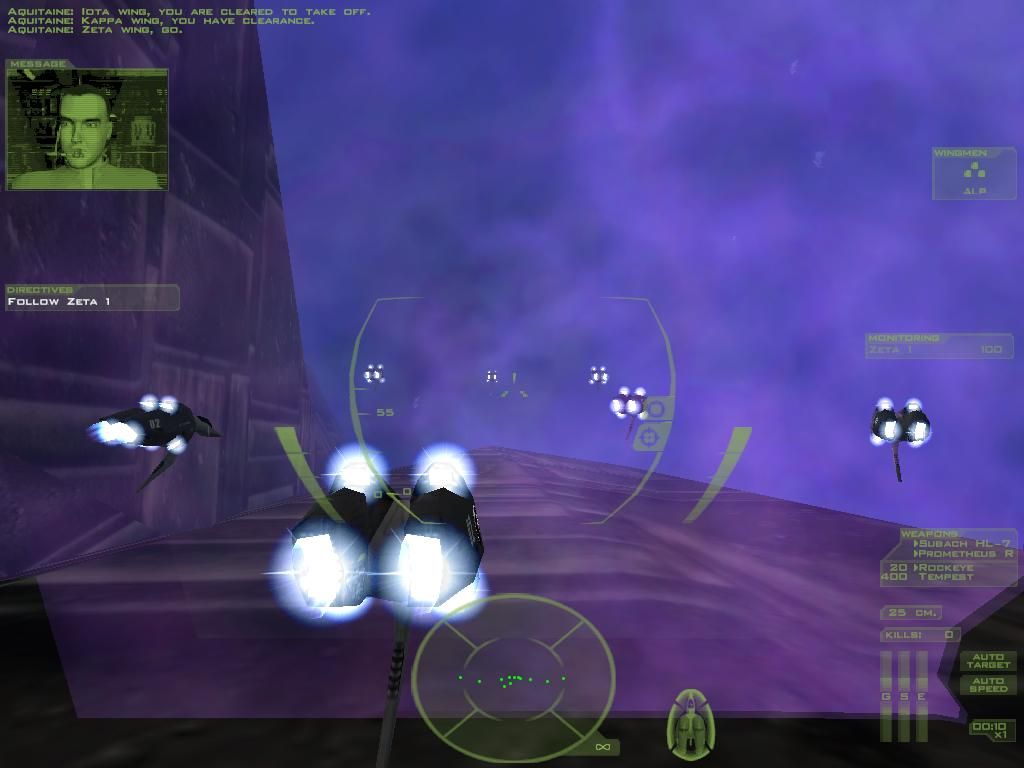
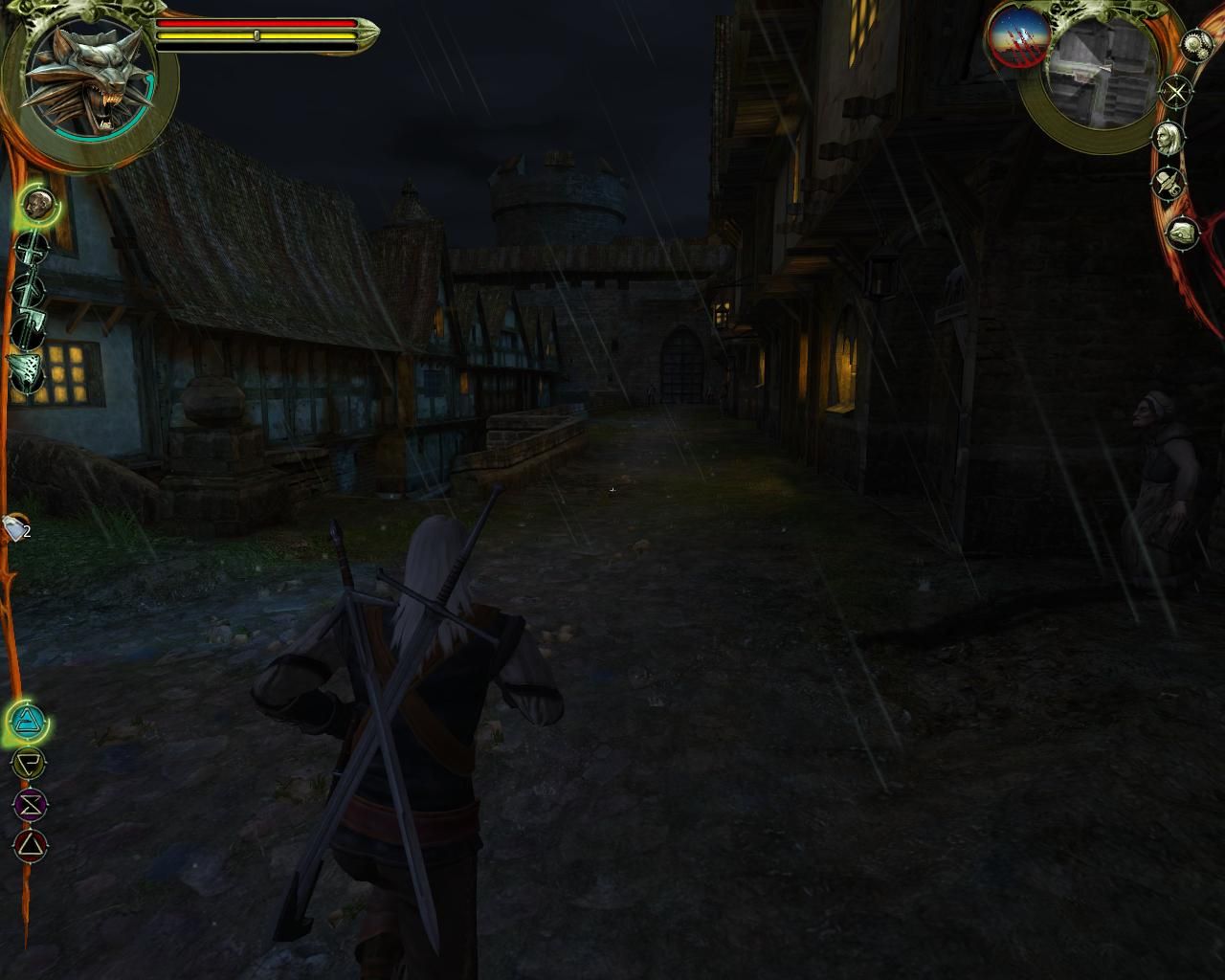
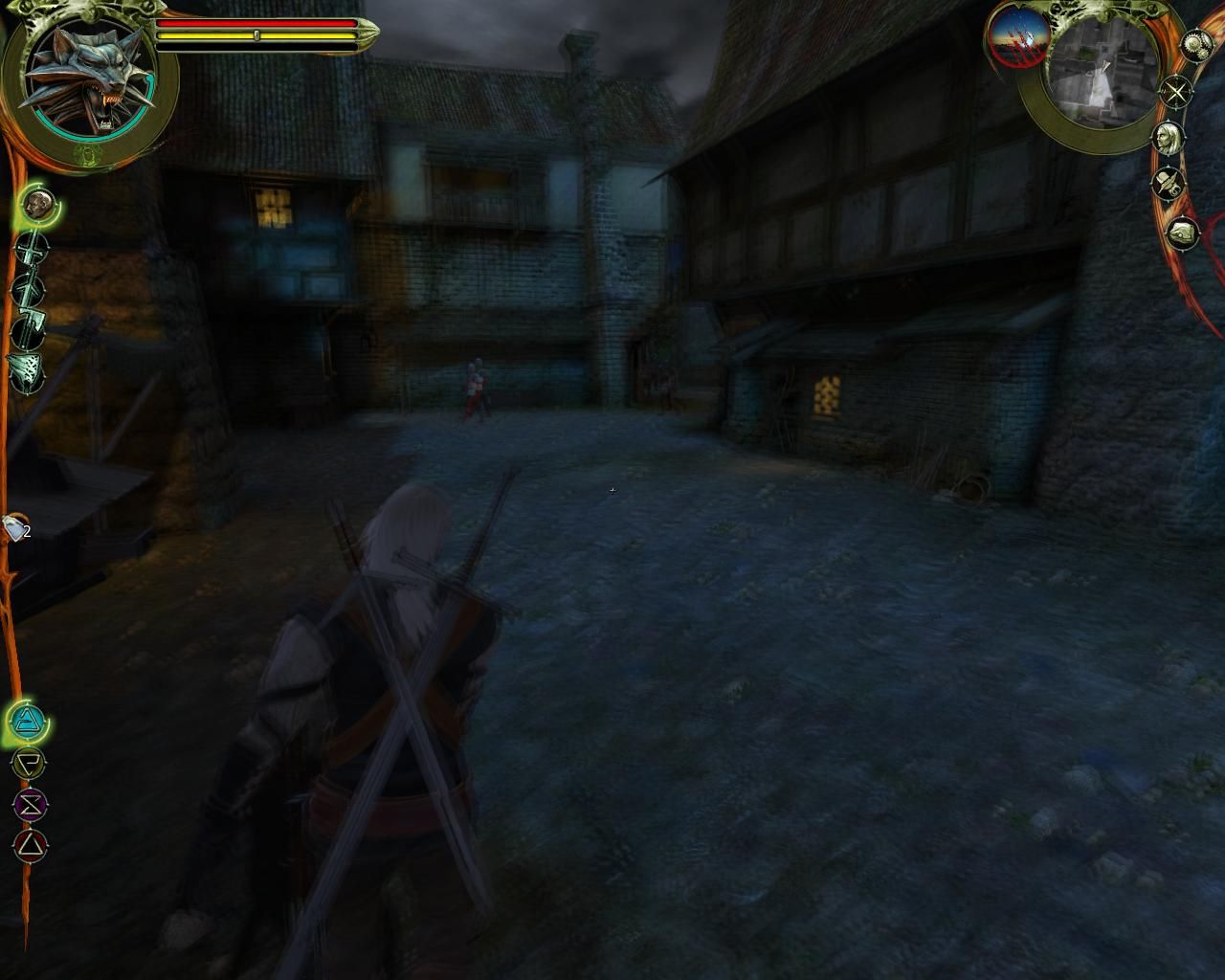
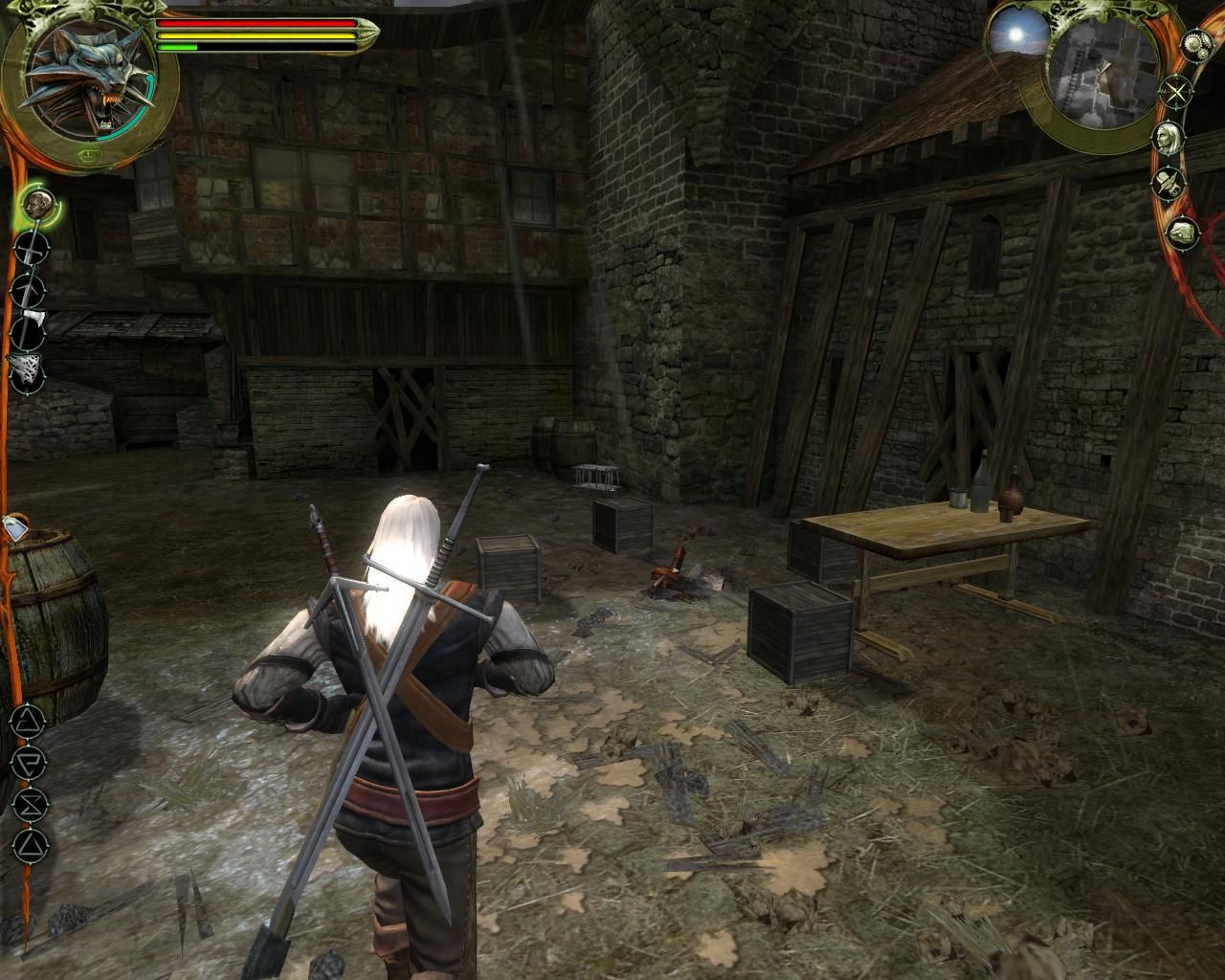
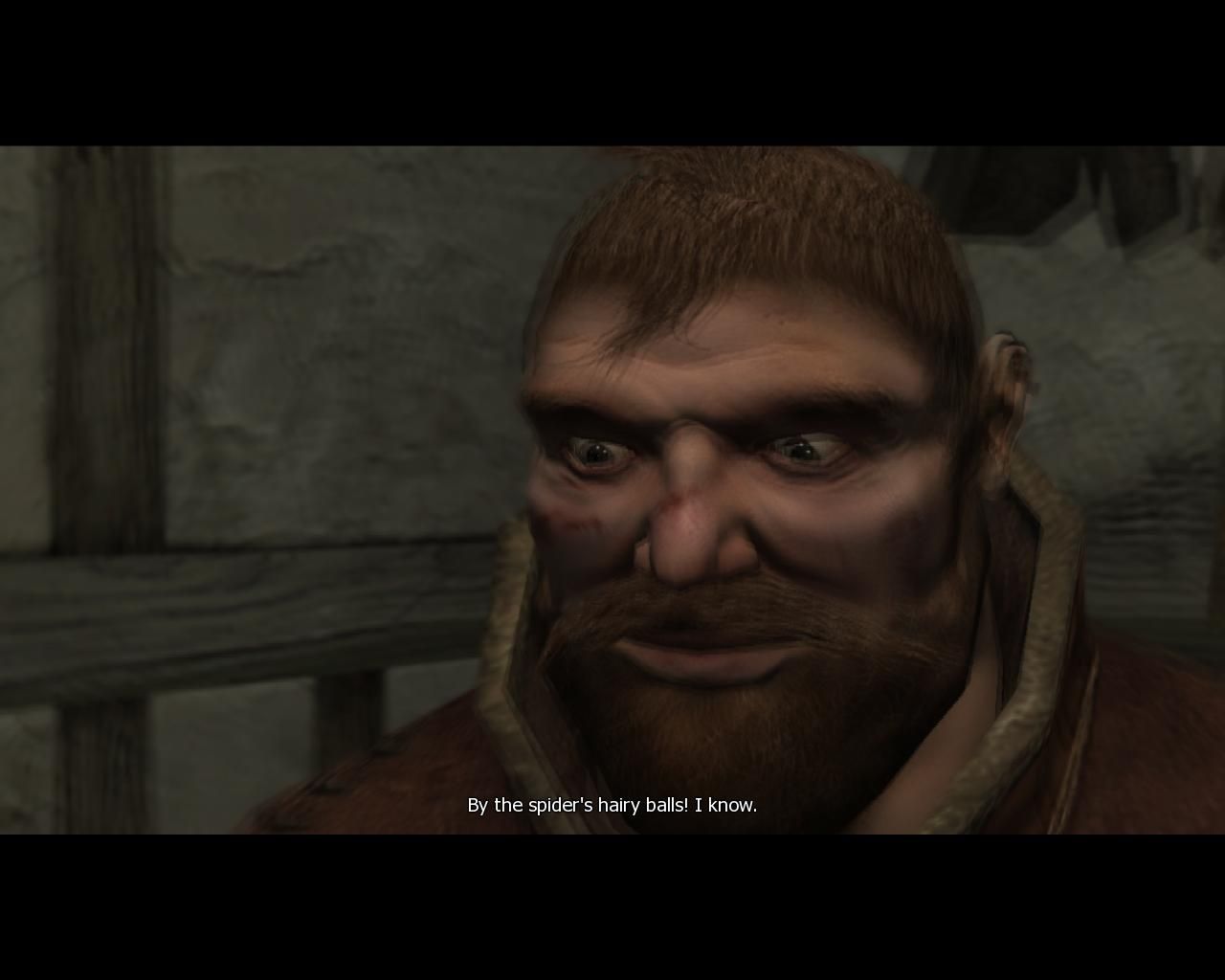
Of course the graphics aren't as fantastic as they were in Witcher 2, given the game is a couple of years older, but it still looks good and is totally playable. The only shame is that they had so few character models, meaning that many people look the same.

Well worth mentioning is that I now play the "Enhanced edition", which is either sold or if you like me bought the game on release - then there is a patch (actually 3) to be downloaded to get the improved content and additional adventures which I have yet to try.

If you haven't played the Witcher and like mature RPG's with a more shades of grey than focus on the classic "good and evil", then the Witcher is a solid candidate to spend some time on. It also has a lot of witty and funny dialogue which comes from the books themselves.

Thursday, April 18, 2013

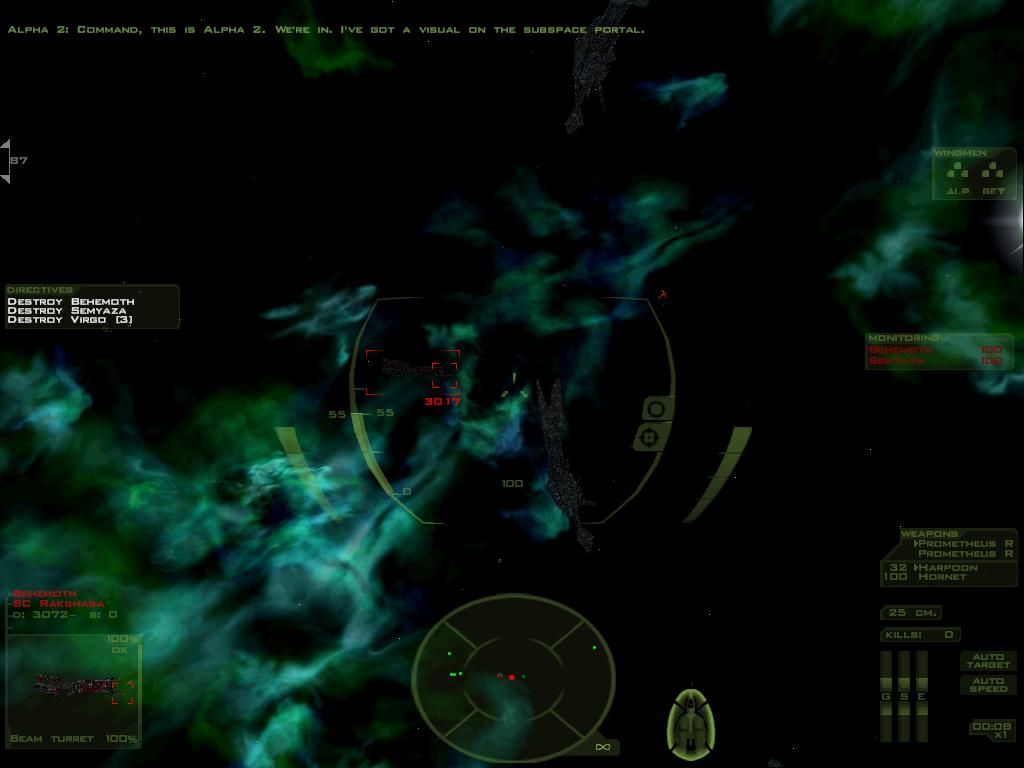
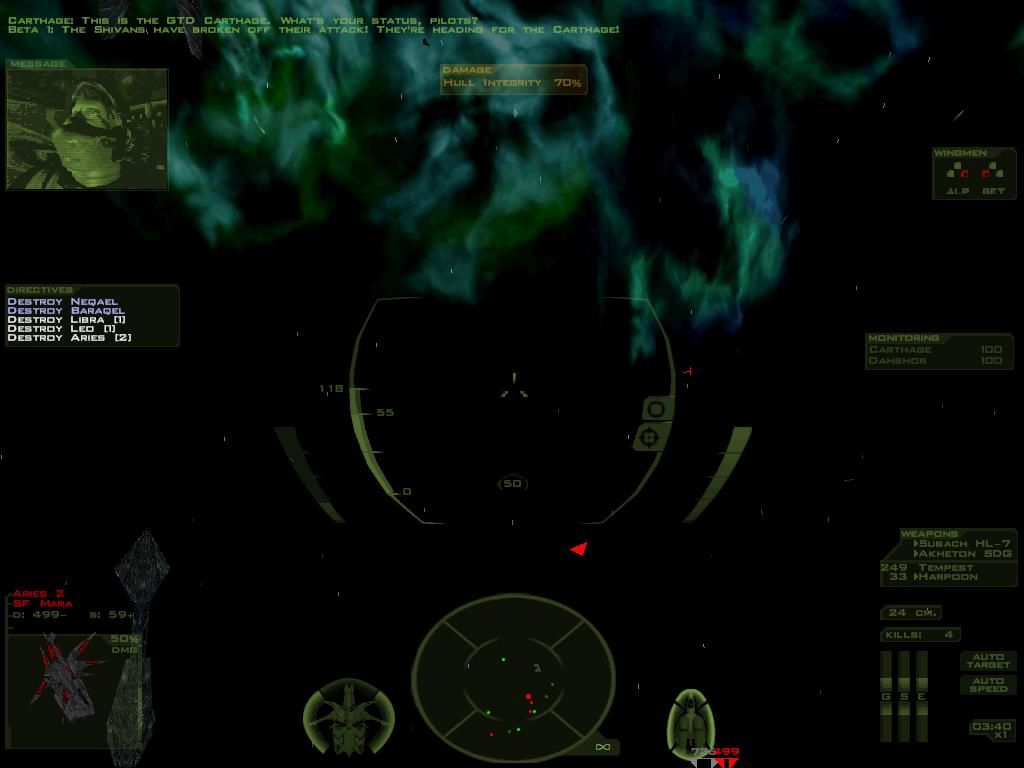
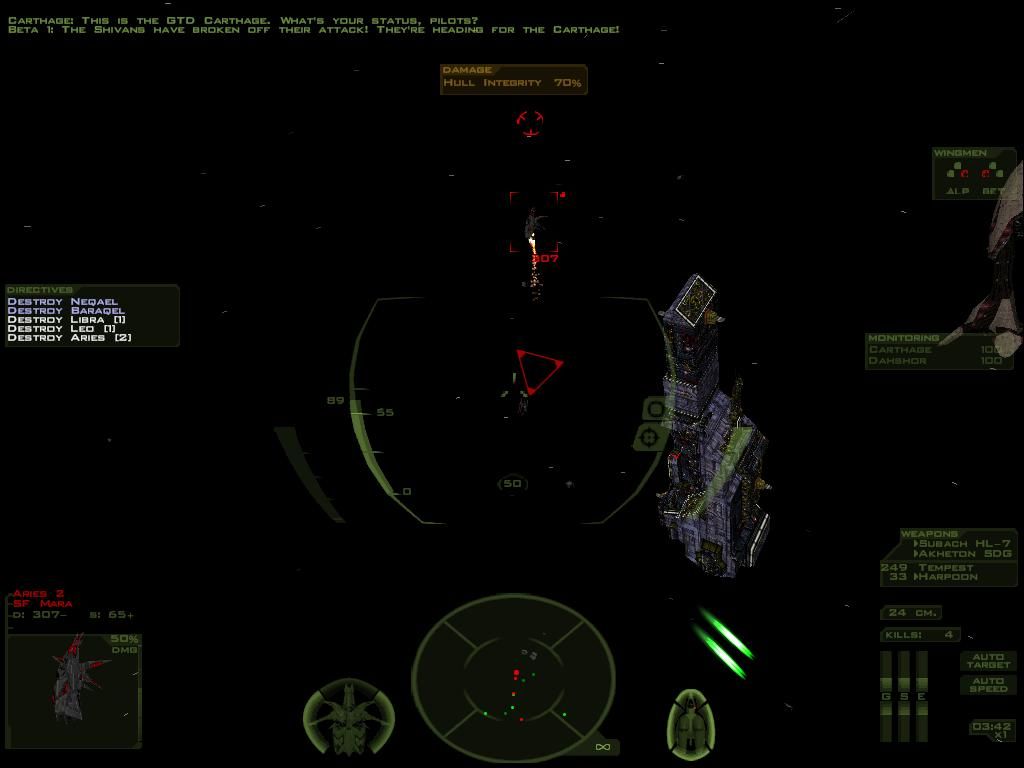
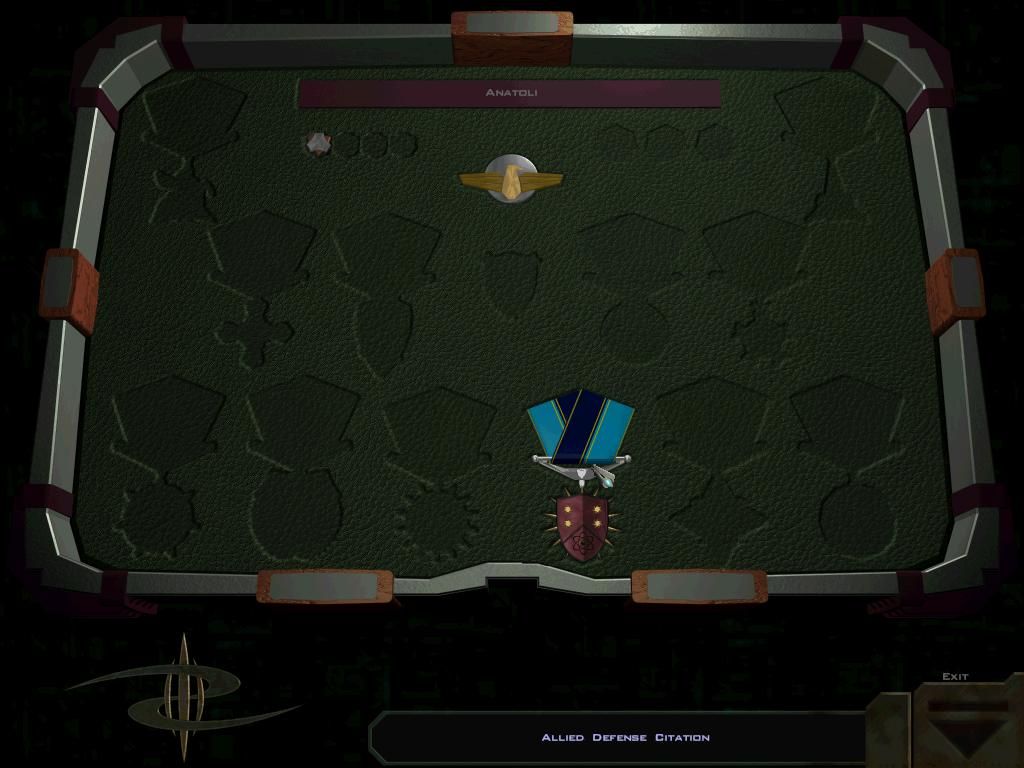
Freespace 2 (PC game review)

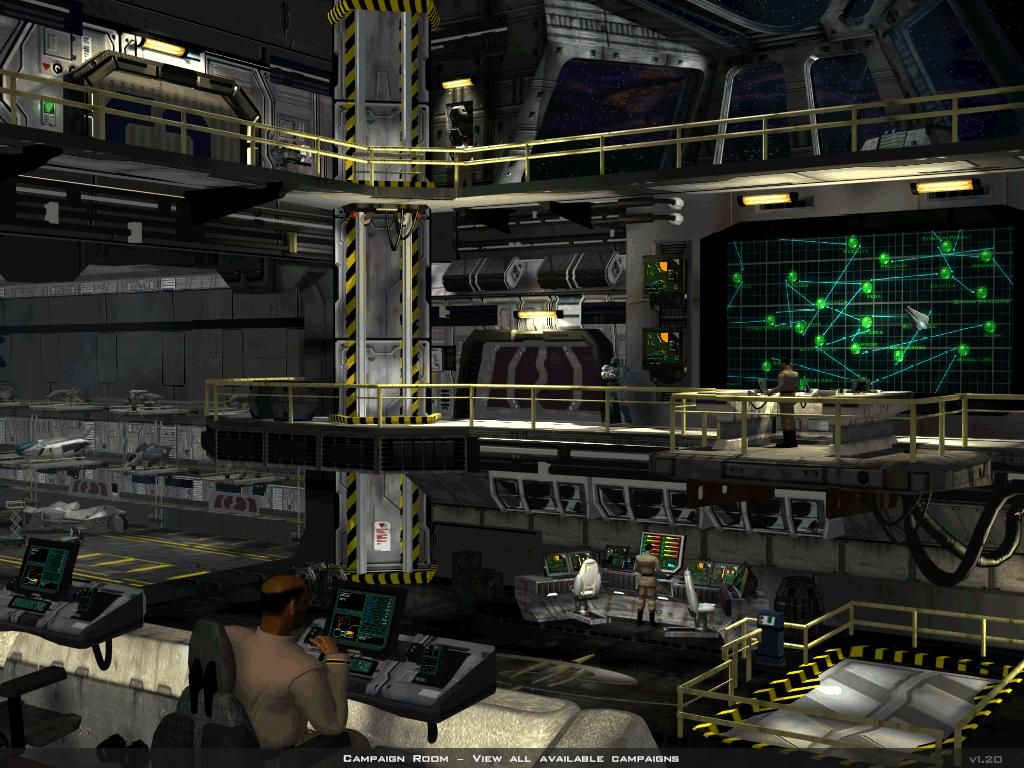
I was very excited when I noticed that Good Old Games had added both Conflict Freespace and Freespace 2 to their games catalogue. Back in the late 90's these were THE best space simulators you could play. They were released a time after the excellent X-Wing and Tie-Fighter games and built upon that success with a great story, fantastic graphics and good gameplay.

The thing I remembered the most however was the story, space simulators back then were all quite good but the Freespace games really distinguished themselves by having a great plot and very good atmosphere. And while Conflict Freespace hasn't aged good at all Freespace 2 still holds up very well up to this day - 14 years after it's release!


So let's talk a bit about Freespace 2.

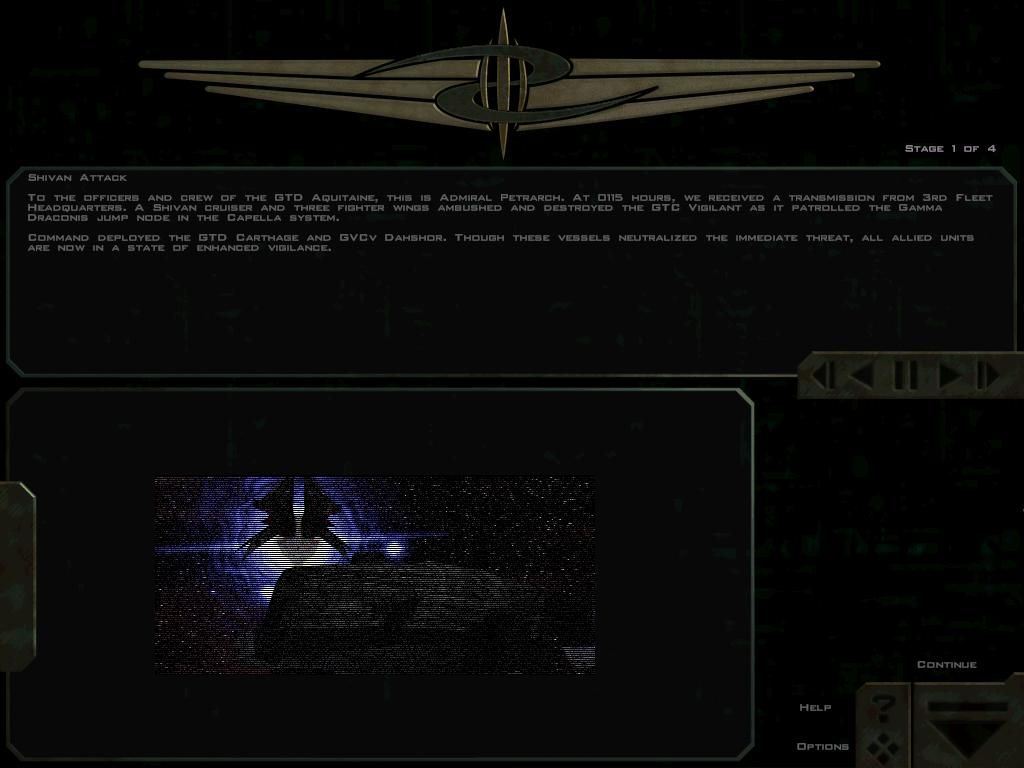
The story of Conflict Freespace was that humanity, or Terrans, had a large expanding space empire and came into contact with an alien race called the Vasudans with whom they began fighting. When Conflict Freespace begins the player is thrown into the already ongoing conflict. The game establishes the hardships of war wearing on both sides before it throws in a third race the Shivans. The Shivans attack both the Terran and Vasudan systems, don't care at all for diplomacy and neither side is able to even so much as contact the Shivans and ask them what it's all about. The Shivan technology is far superior the Terran and Vasudan in terms of ships, weapons and shield technology. The Shivan capitol ships are extremely powerful and even their small cruisers give the best Terran and Vasudan counterparts and larger class models hell. Ultimately  the Terran and Vasudan forces, after having lost vast amounts of ships, pilots and inhabitable systems are forced into an alliance.

The alliance proves to be a great success and the Shivans are finally defeated. However the victory is cut short as a big chunk of the Terran-Vasudan fleet is cut off and left stranded at the other side of space.

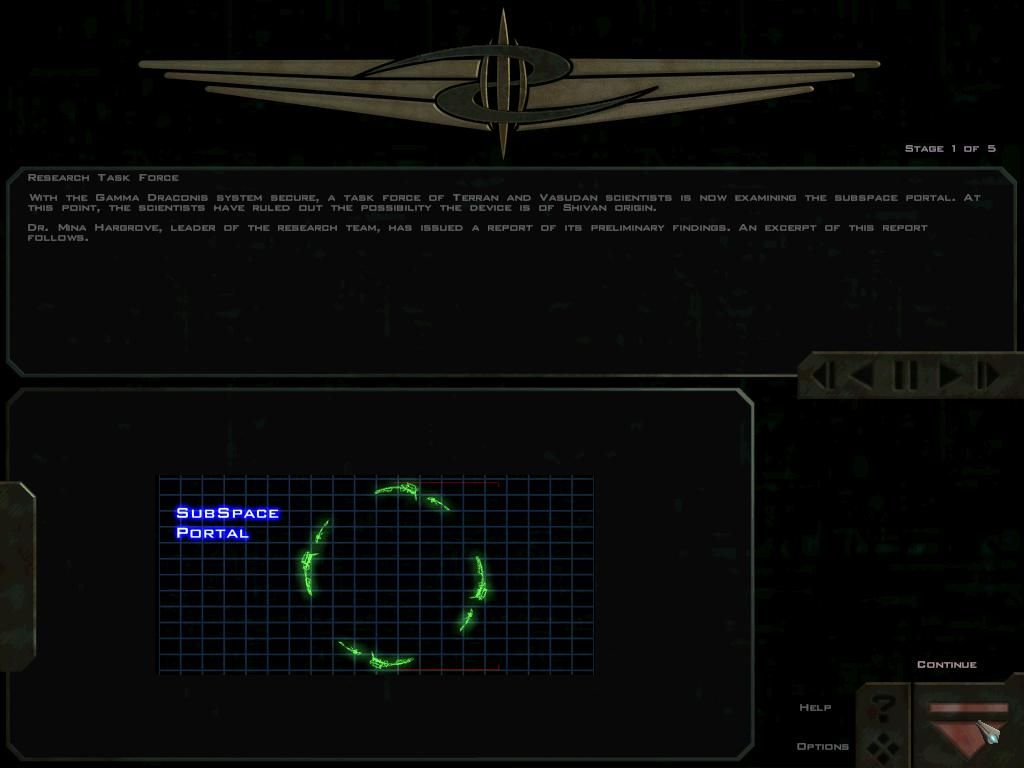
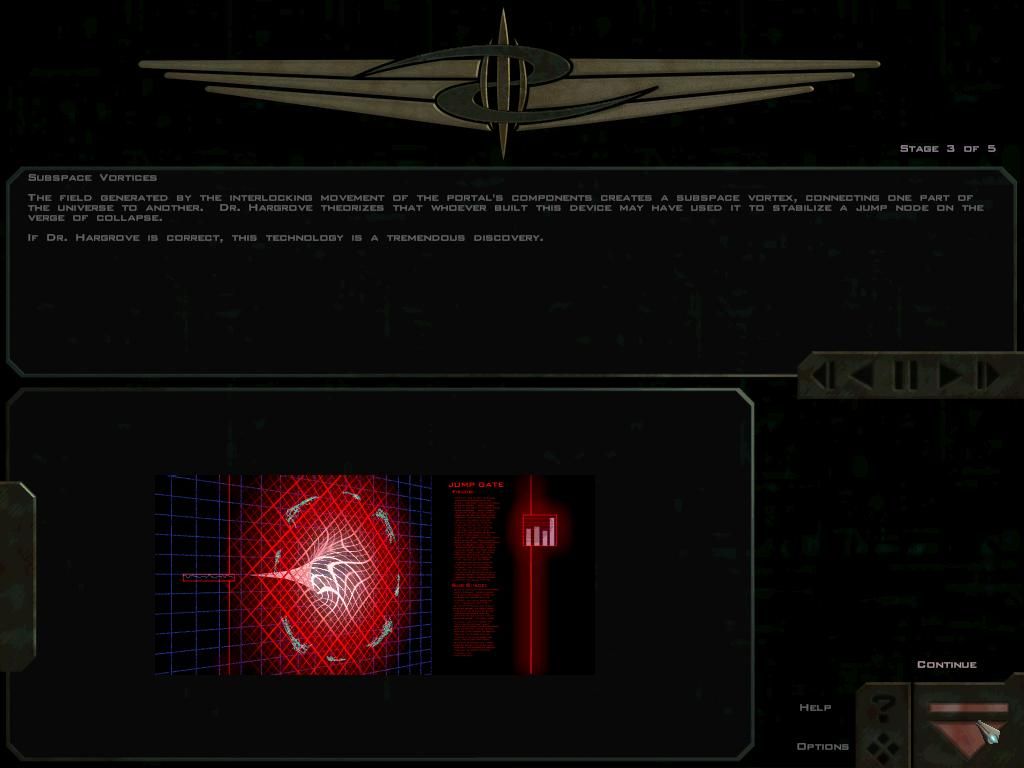
When Freespace 2 begins 30 years have passed since the "Great War", the Terran-Vasudan alliance is still in place but it remains shaky. The stranded forces keep tracking and destroying Shivan remnants while fighting a civil war against Terran rebels opposing the Terran-Vasudan alliance. And as you can imagine, the Shivans return, exactly how will be left for the player to figure out as the campaign progresses.

What I always loved about these two games is that the story is really epic and, the space battles also - with several fighter wings and capitol ships fighting it out in almost every mission. However the player remains this tiny brick, a regular pilot, through it all. Oftentimes you have little impact on greater events, you won't be able to single handedly bring down large cruisers due to the defensive armament of those huge ships ripping small fighters and bombers apart. Sometimes you even fail missions because you get overwhelmed by enemy superiority or sudden events that force you to abort the mission. The game does a great job of making you feel like a great fighter/bomber pilot, but still humble enough to not think you can take on everything and everyone in an unrealistic manner.

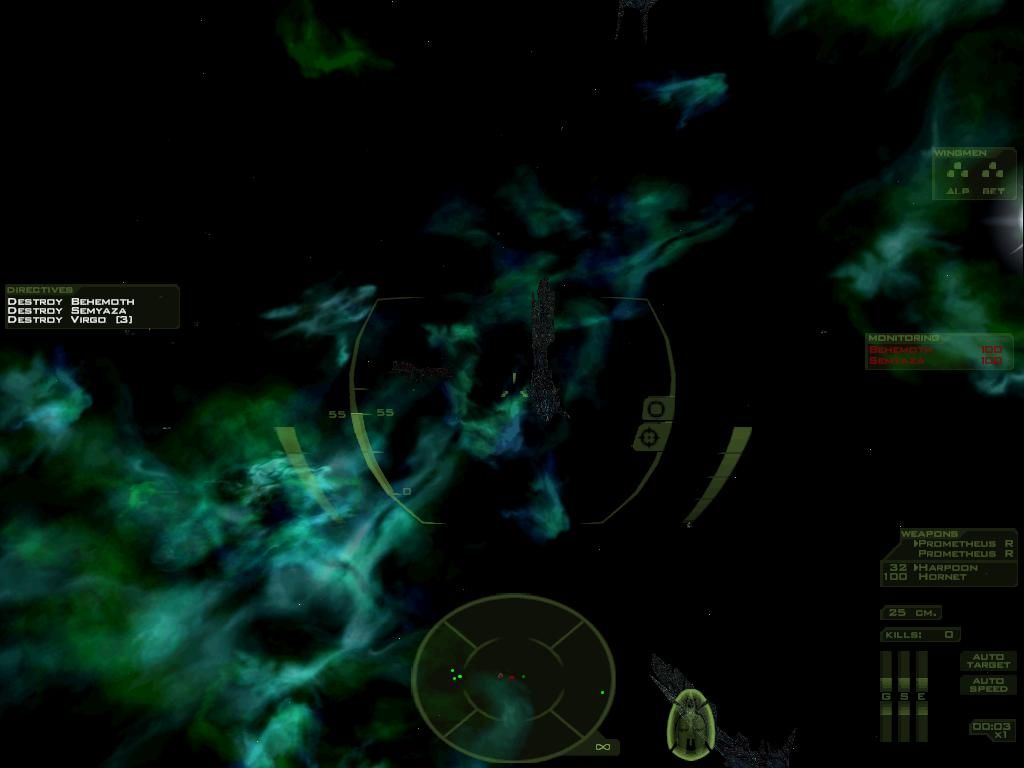
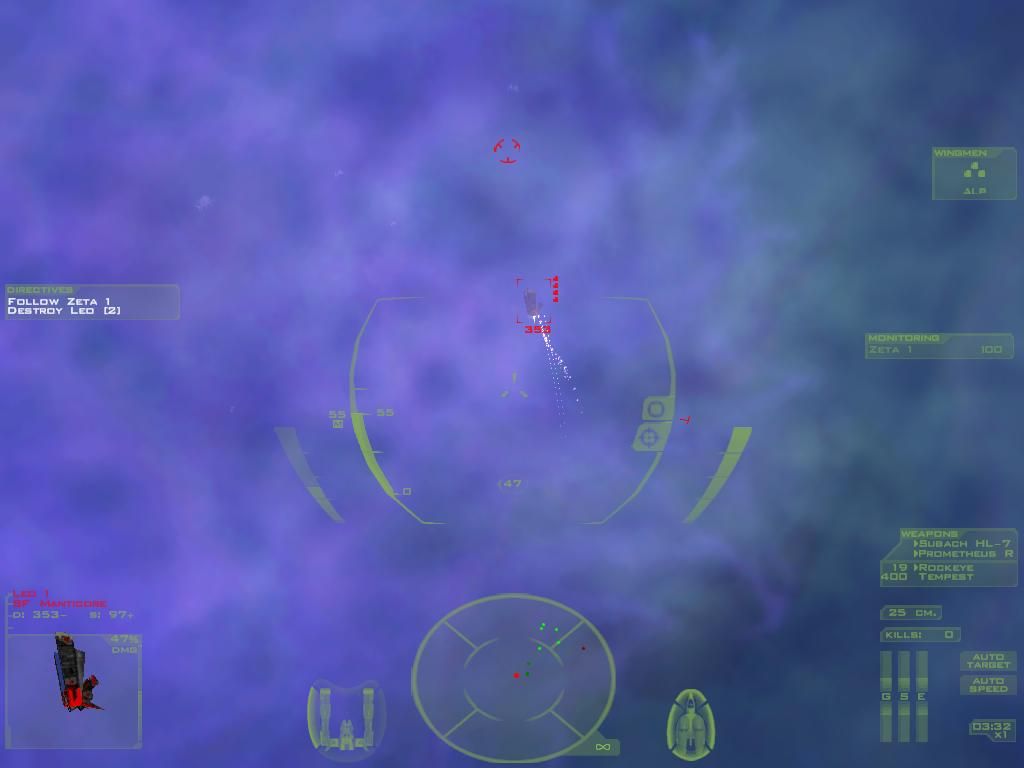
The gameplay is quite awesome, but can be quite daunting at first. You NEED a joystick, preferably with at least 6 buttons. A mouse or gamepad is impossible to play with even if it's supported. You also use pretty much the entire keyboard for ship controls and commands necessary to play. The keyboard manages rate of fire, changes which weapons you use, distributes ship power supply between shields, engine and primary weapon systems, tracks enemy ships, matches speeds, finds enemy bombs, nearest enemy bomber, changes targets, changes what subsystem of an enemy ship you are targeting etc. It's really quite overwhelming at first, but the game does a great job of establishing all the controls step by step with tutorial missions, not only at the beginning but also as you progress into the campaign and unlock new ships with new abilities or roles.

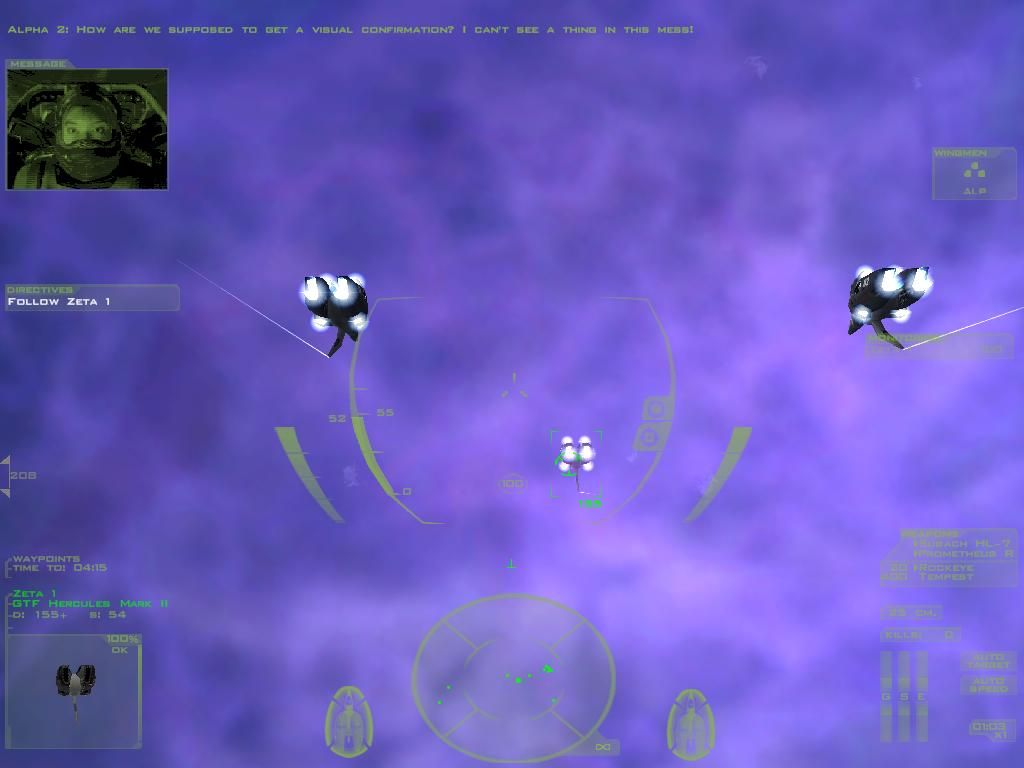
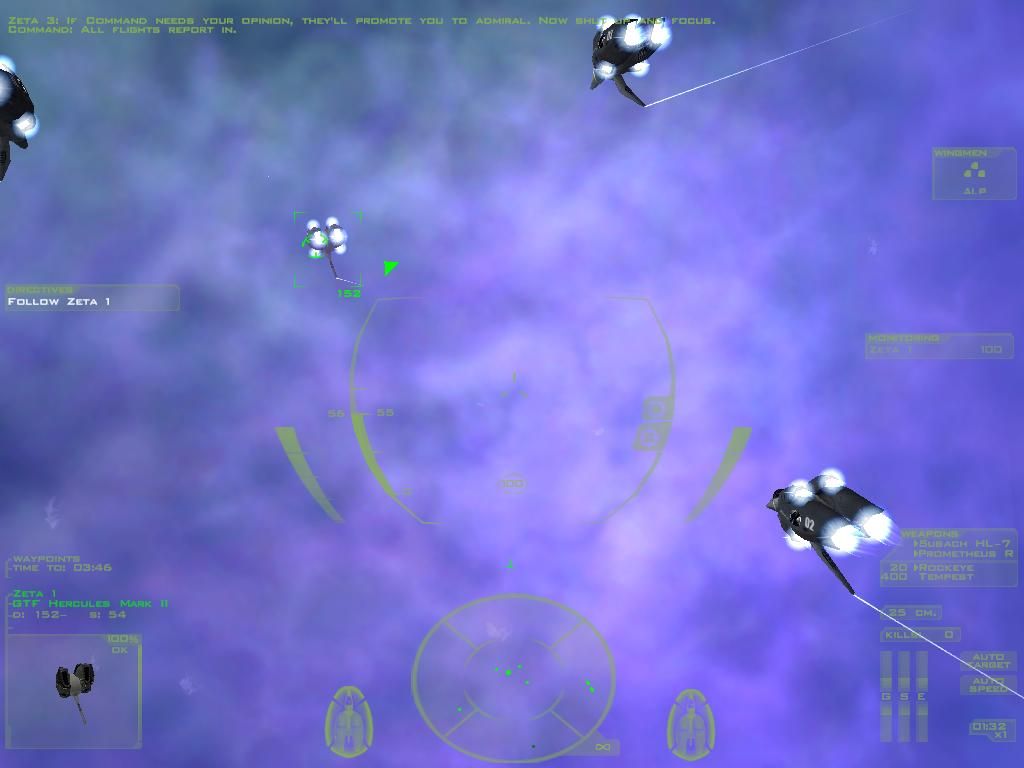
The fighting was always great, and remains so, chasing enemy fighters and wear down their shields with your plasmaguns and finish them off with a rocket - watching the ship lose control and explode is very satisfying. The thrill of flying through anti-fighter barrage of enemy capitol ships while friendly fighters on your wind unleash their rockets to destroy vital weapons is also great. Watching several large capitol ships fire at each other with large death rays, explode and break apart as smaller fighters circle the mayhem unleashing rockets and laser projectiles is super cool. The shock wave of explosions, big one's in particular, can rip your ship apart and destroy subsystems of your fighter. So when you see the health status of an enemy cruiser drop towards the 1% you better hit your afterburner and get the hell out of the blast radius fast!

The story of the game is very serious and grim, events are told through pre-mission briefings and after action reports, but also very often through actual gameplay of the missions. Chatting pilots and commanders tell you a lot about the backstory of the previous game and other events in the current one in a realistic and not out of place manner. The variation of missions is great as the player is assigned to various fighter, bomber and Spec-Ops wings throughout the game. The music also helps to set the perfect mood; it is really one of the best soundtracks made for a PC game out there. It's very foreboding, tense and somber and one of my favorite of all time soundtracks (up there beside the soundtracks of Starcraft 1 and Myth II).

I still have my old CD-rom version of this game, bough in Poland when I was visiting my grandparents around the time of the release. Though that version was dubbed in Polish (but it was done very well) and I don't know if the game would work on a modern PC. However the Good Old Games versions of all classics are made to work flawlessly on modern computers. And I have read that there is a still living modding community for this game that has released a graphics overhaul to bring the game to the standard of modern PC games, and there are mods for a Battlestar Gallactica look and campaign, as well as other stuff that I have yet to check out myself.

This is a timeless classic that goes to show that good gameplay and story holds up very well, over a decade after its original release.

Recommended to any fan of space simulator games. You can get it for 10 dollars  HERE

9/10

Monday, April 1, 2013

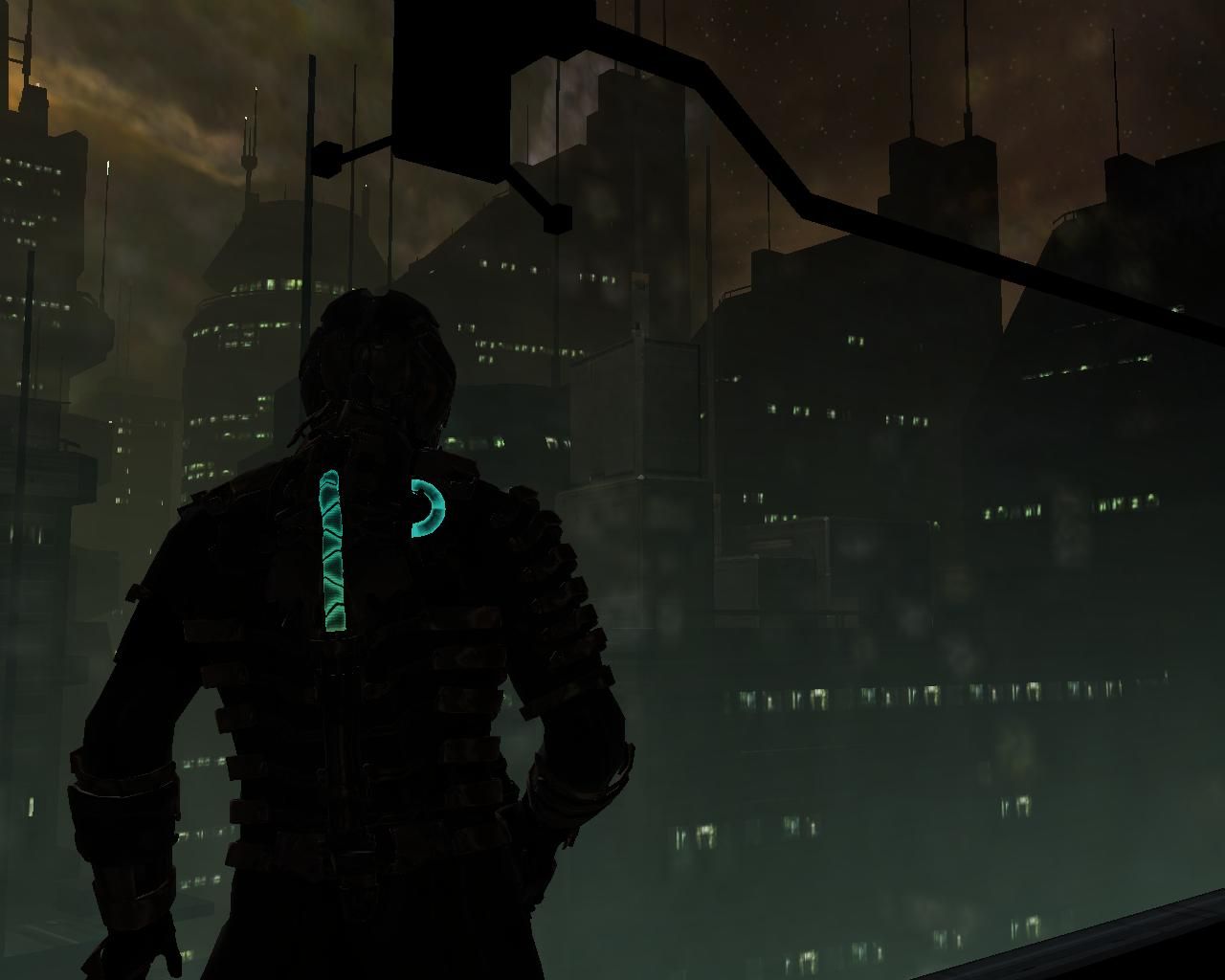
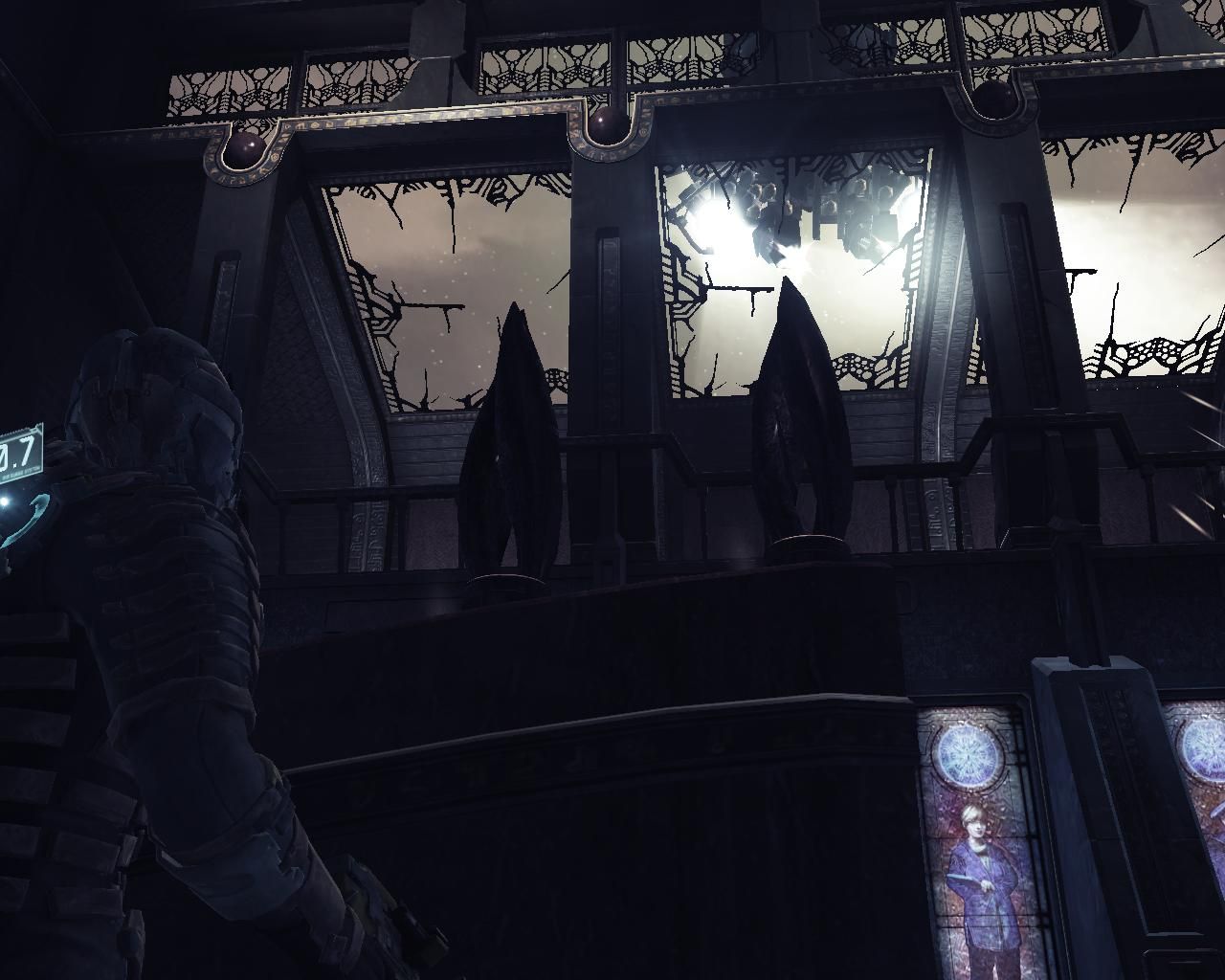
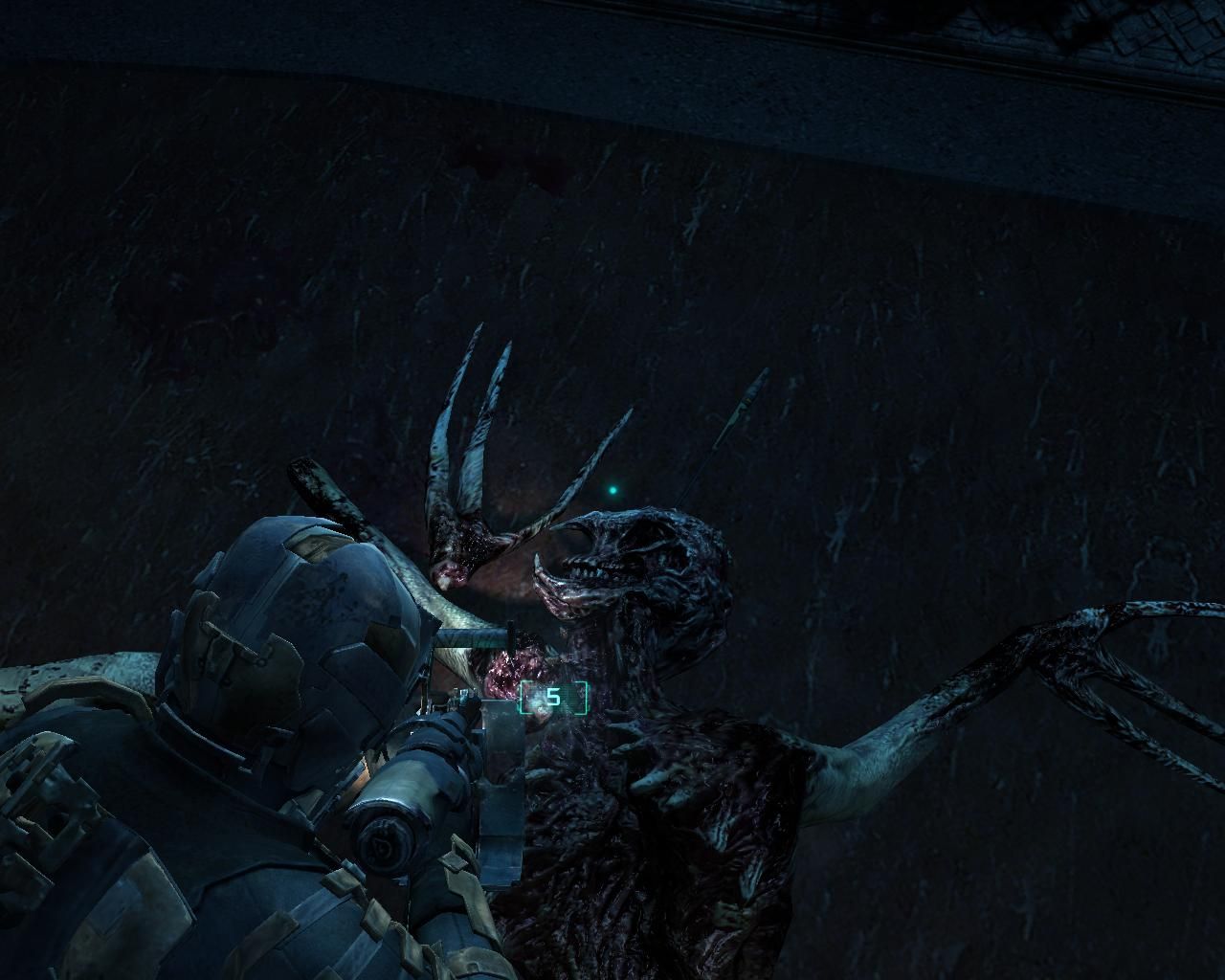
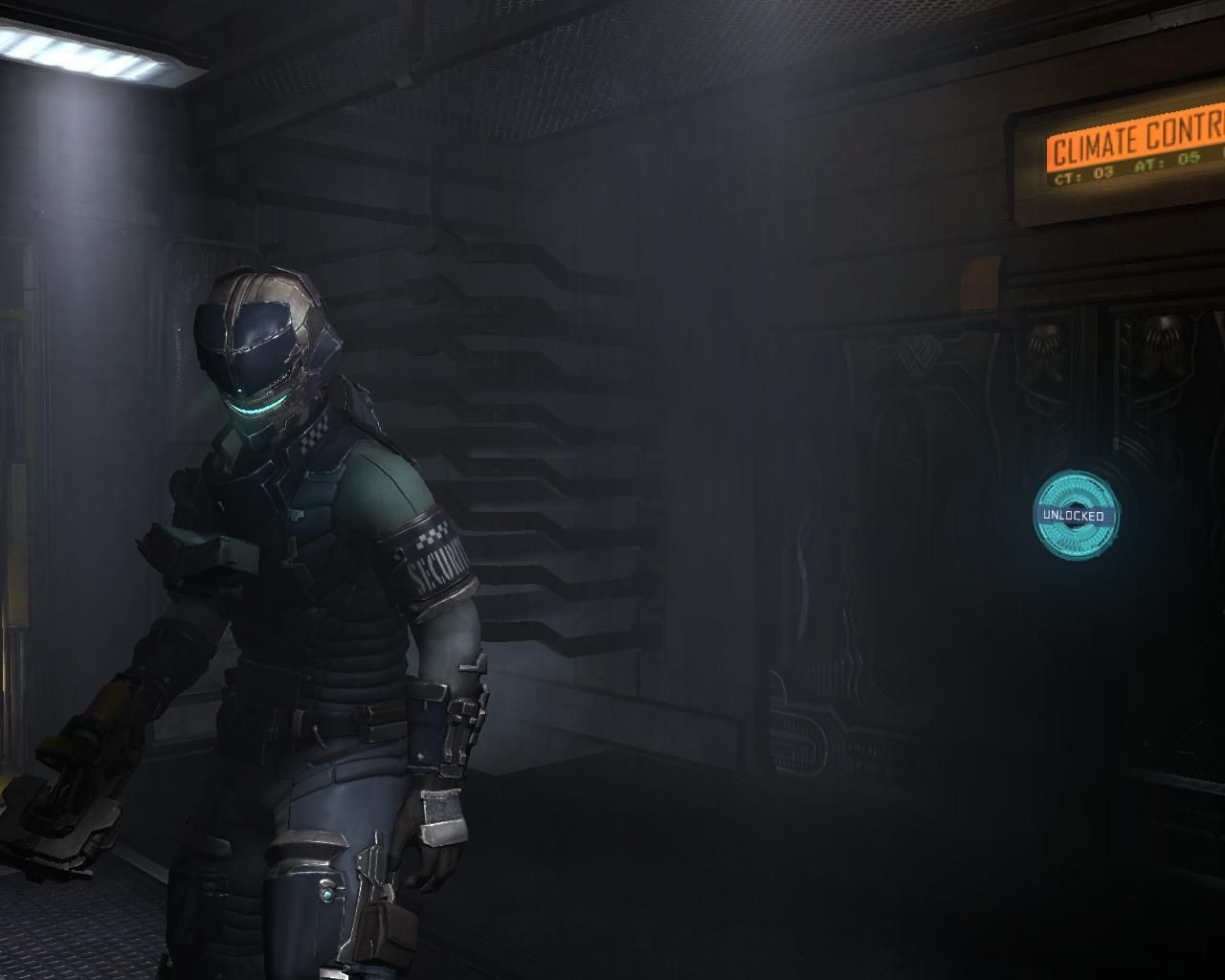
Dead Space 2 review

After the well done and quite good Dead Space 1 was finished I began playing Dead Space 2. With sequels there is always a worry whether or not the sequel will suck, be basically the exact same game or just turn into something else completely. The way Dead Space 1 ended also made me wonder how and what Dead Space 2 would be about. Fortunately it turned out to be yet another solid game.

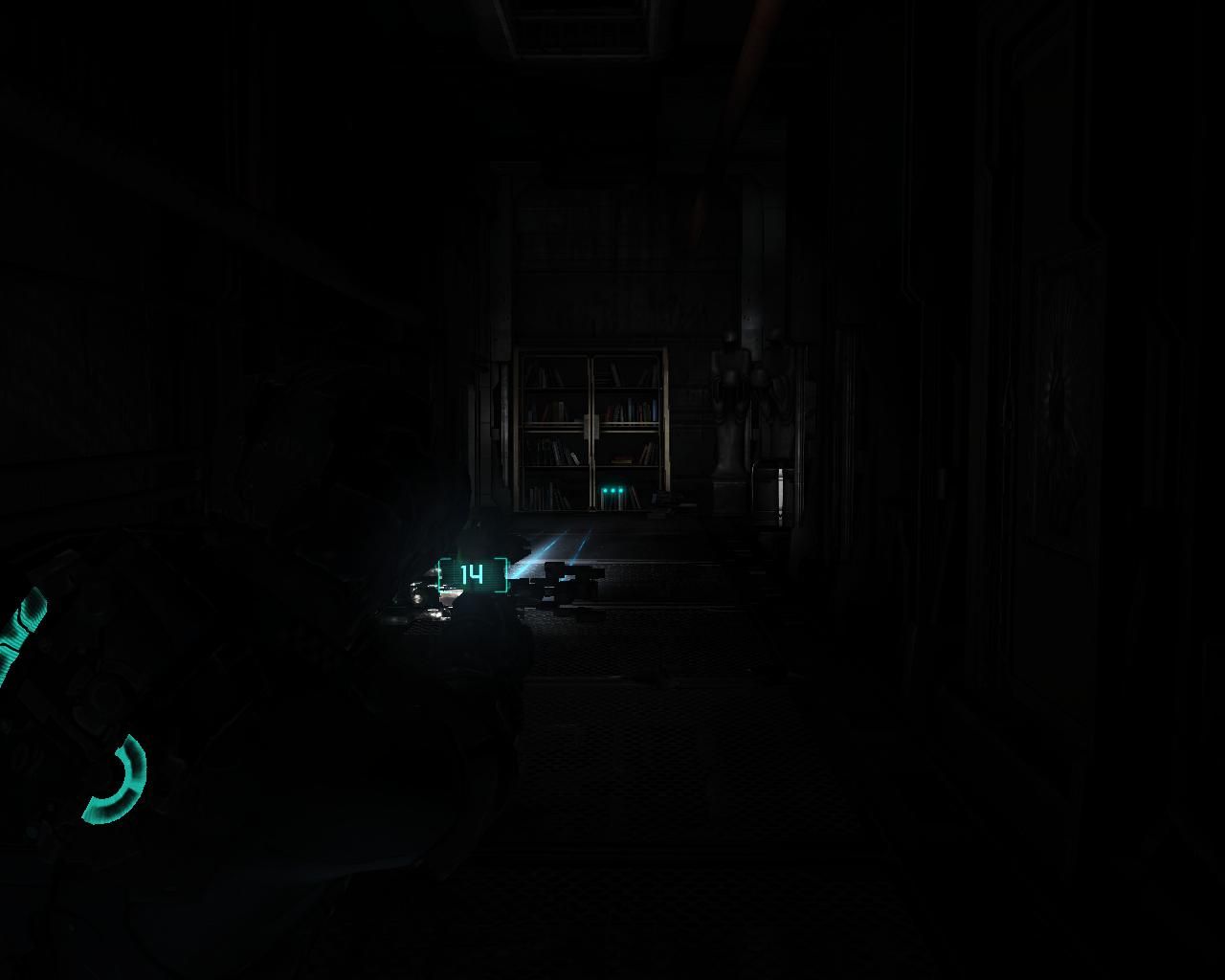
And guess what, my complaints from the first game about being too bright and not scary enough have been fixed (this among other things)!

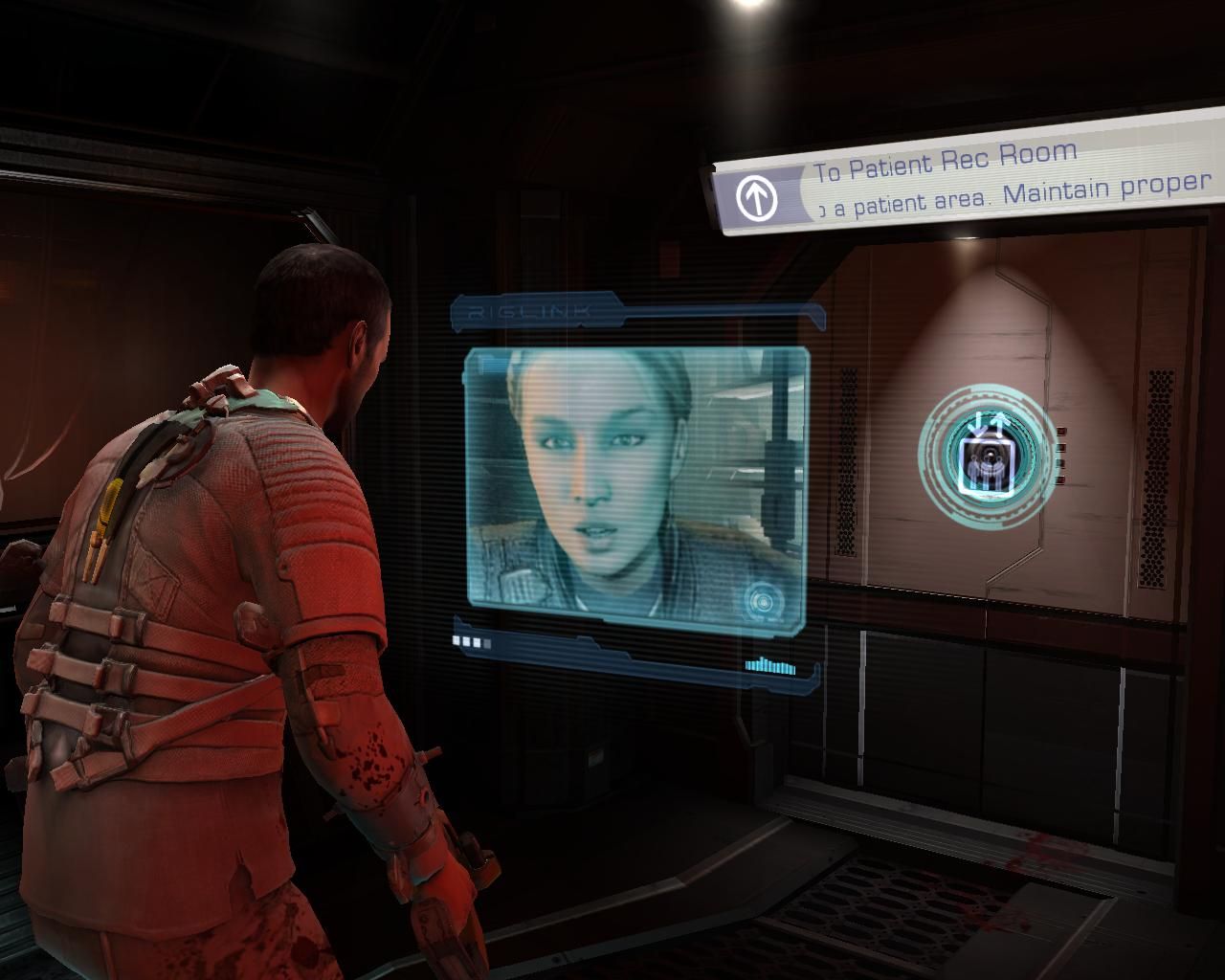
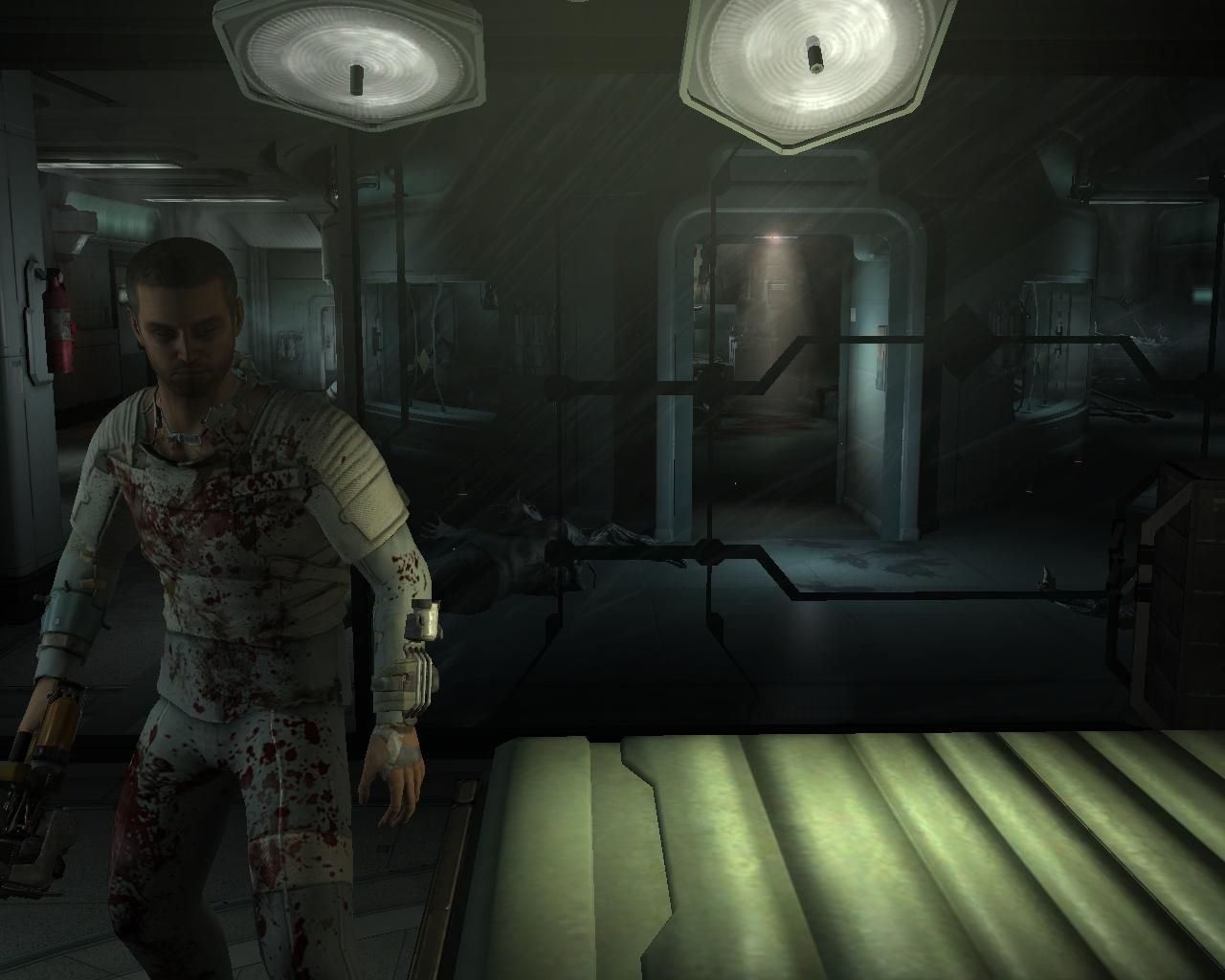
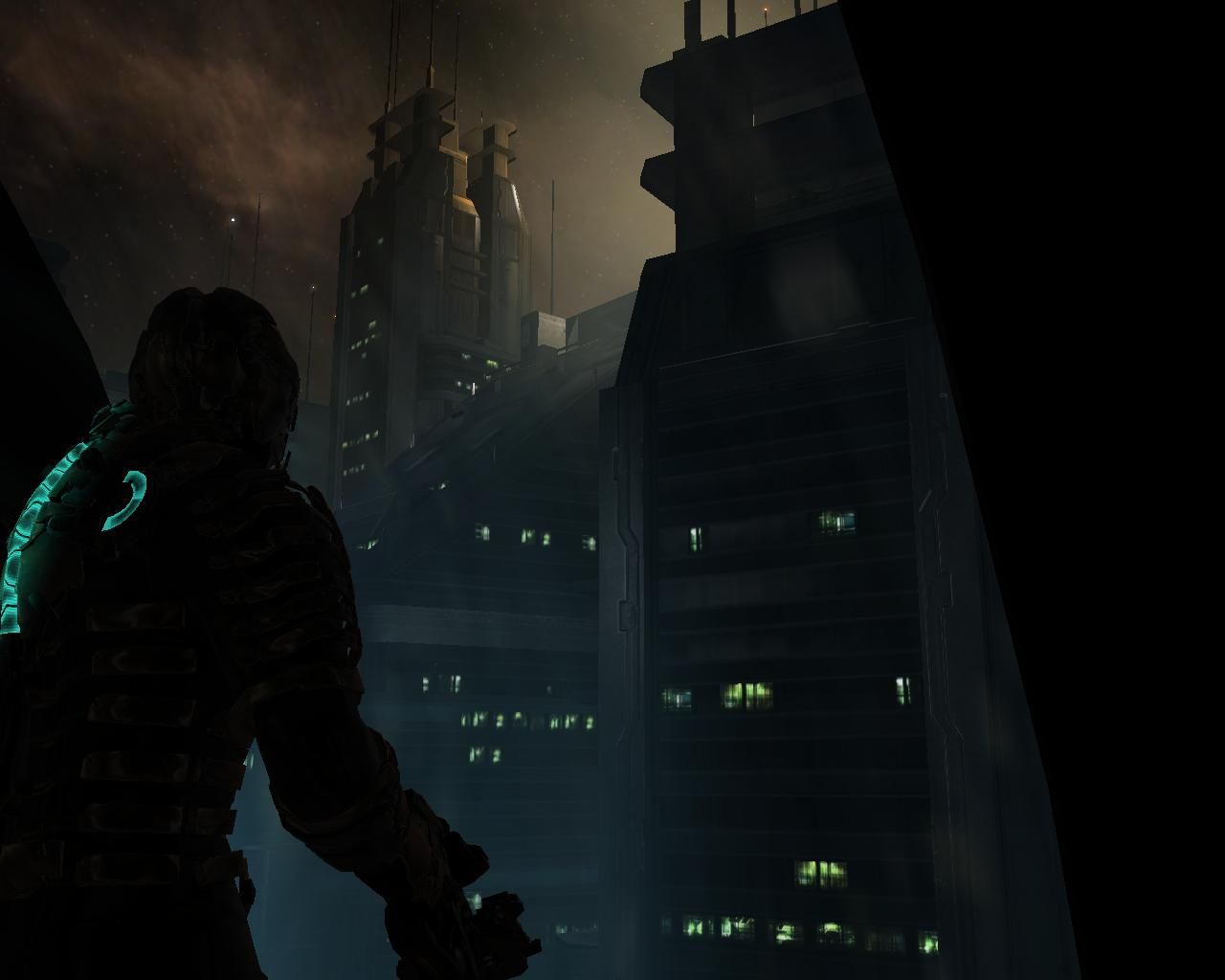
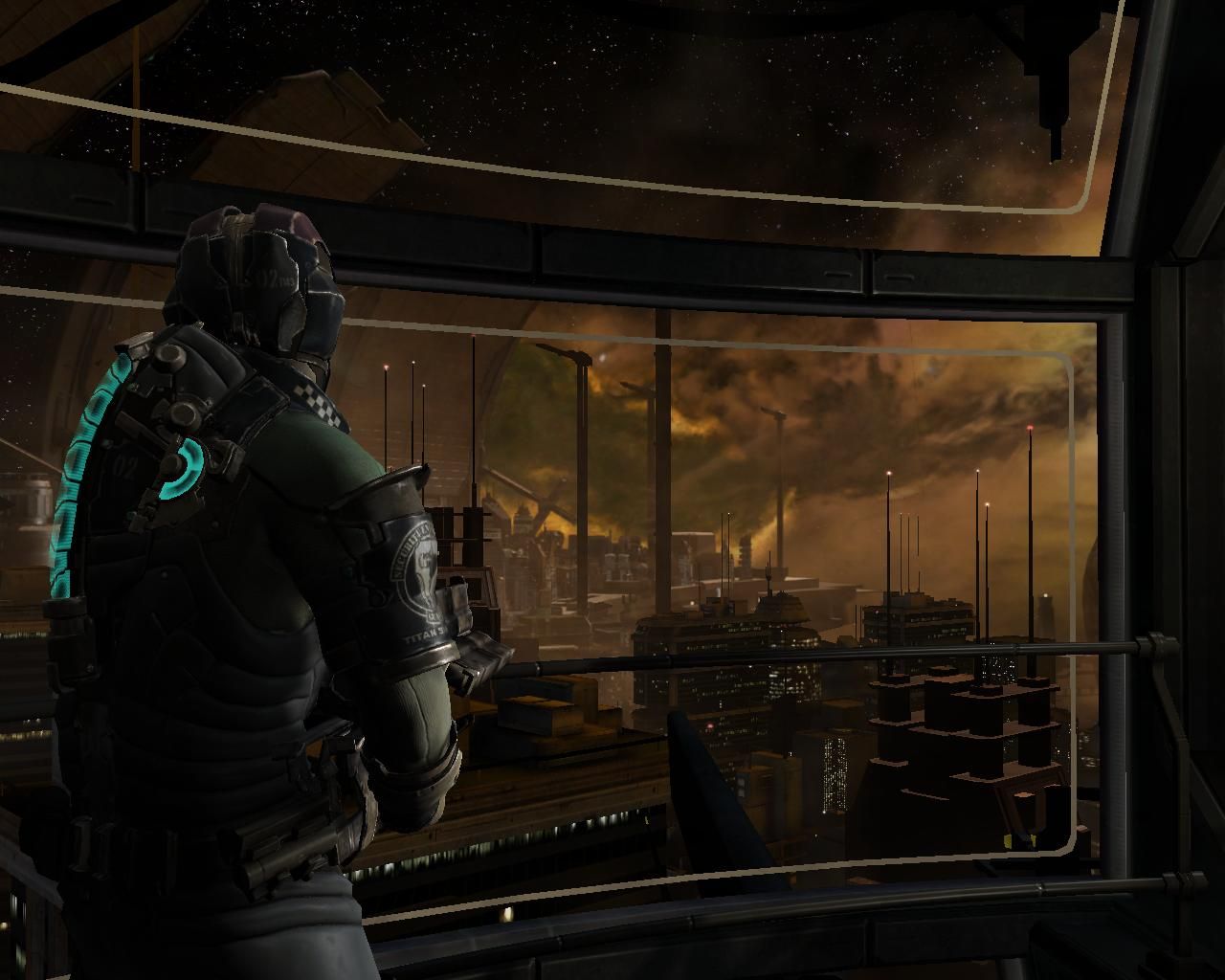
So I will avoid writing any spoilers, suffice to say Isaac Clarke, the engineer from the first game survived his ordeal aboard the alien infested ship  - the "Ishimura" - and wakes up in something that looks like a mental hospital in space. Turns out you were found drifting through space and have been "treated" over the past years at a facility built on the remains of the moon Titan. This facility is a really a large city with a lot of civilians living there as well. Soon enough though the shit hits the fan and it turns out that the alien outbreak that occurred on the Ishimura is happening on this space station as well.

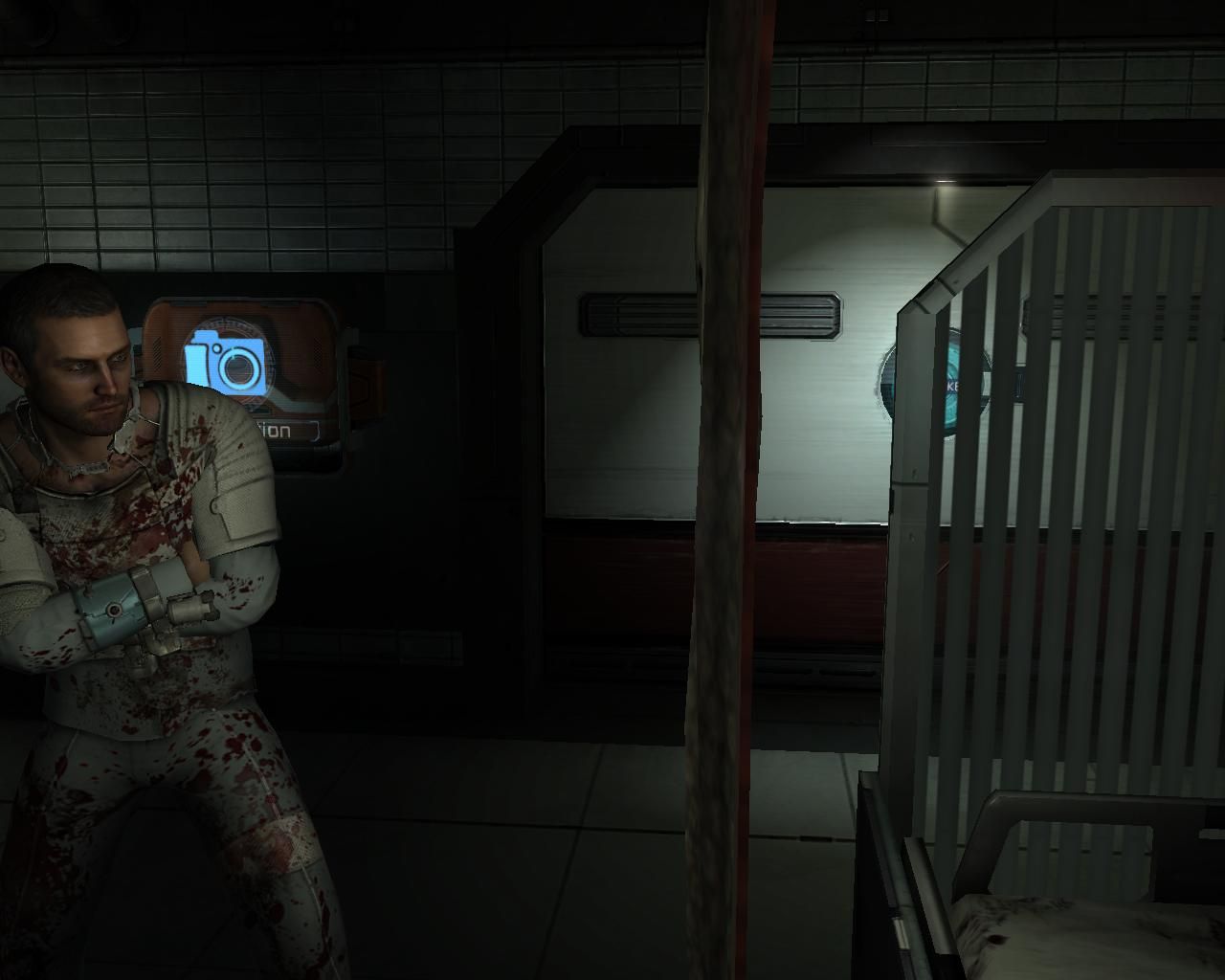
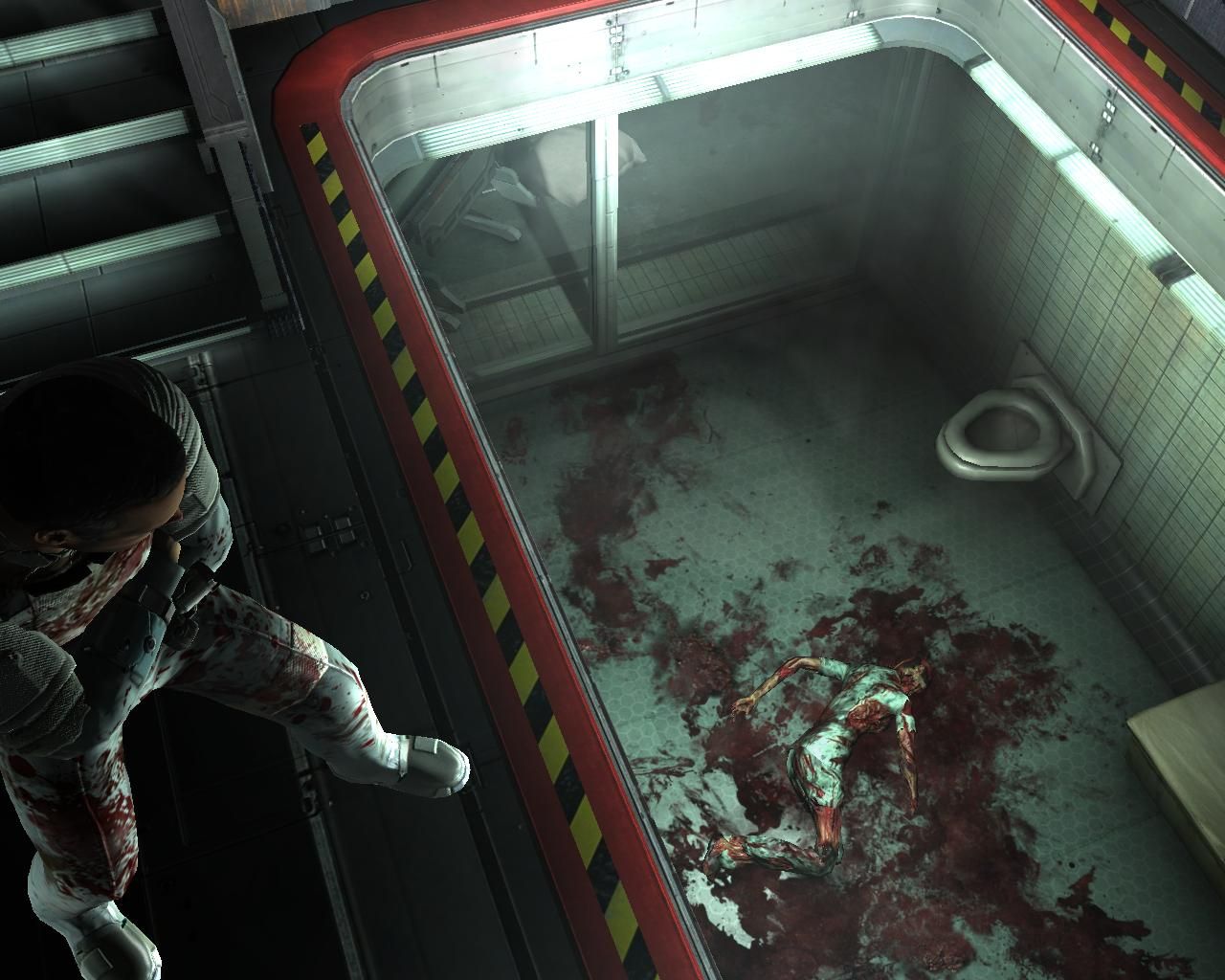
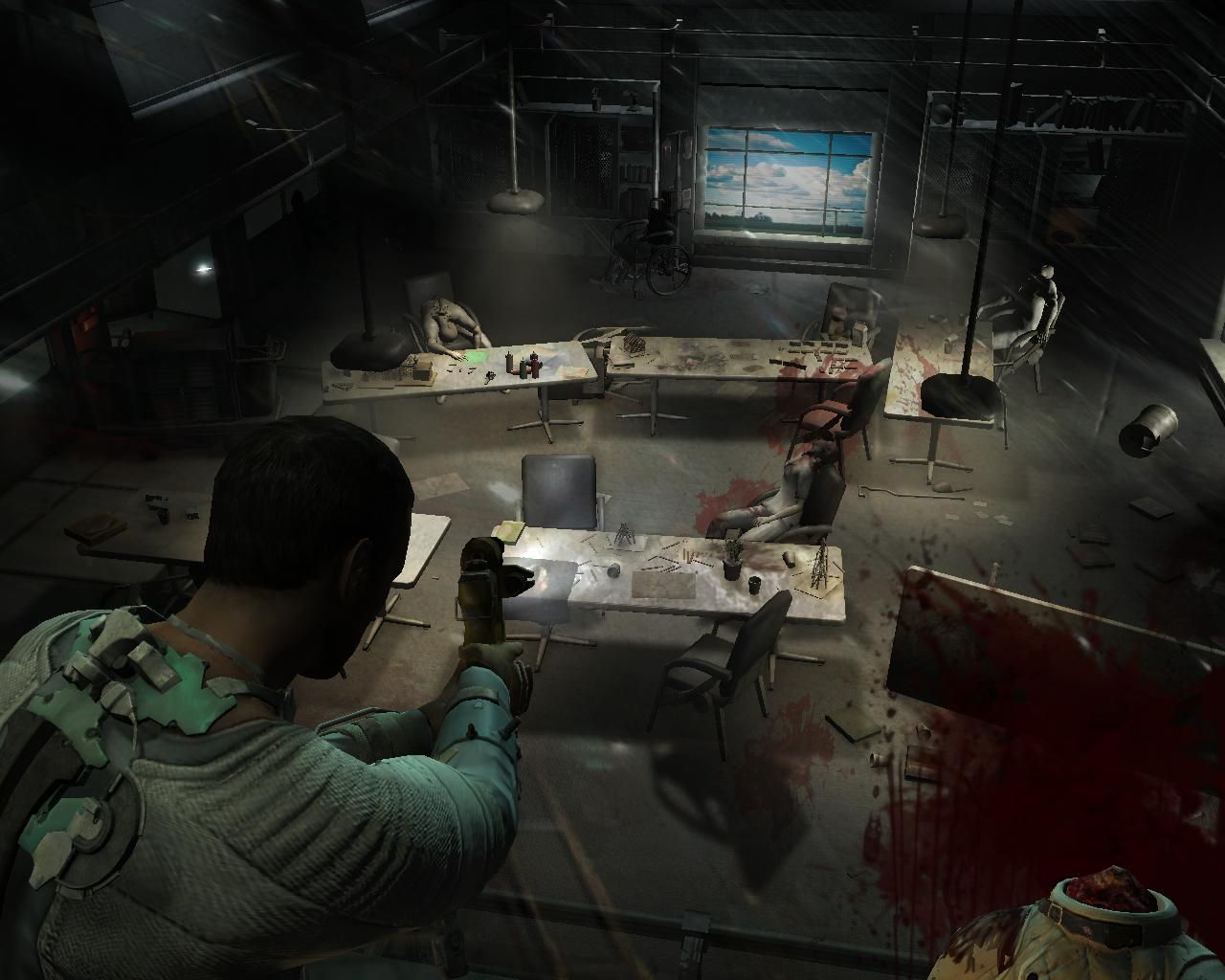
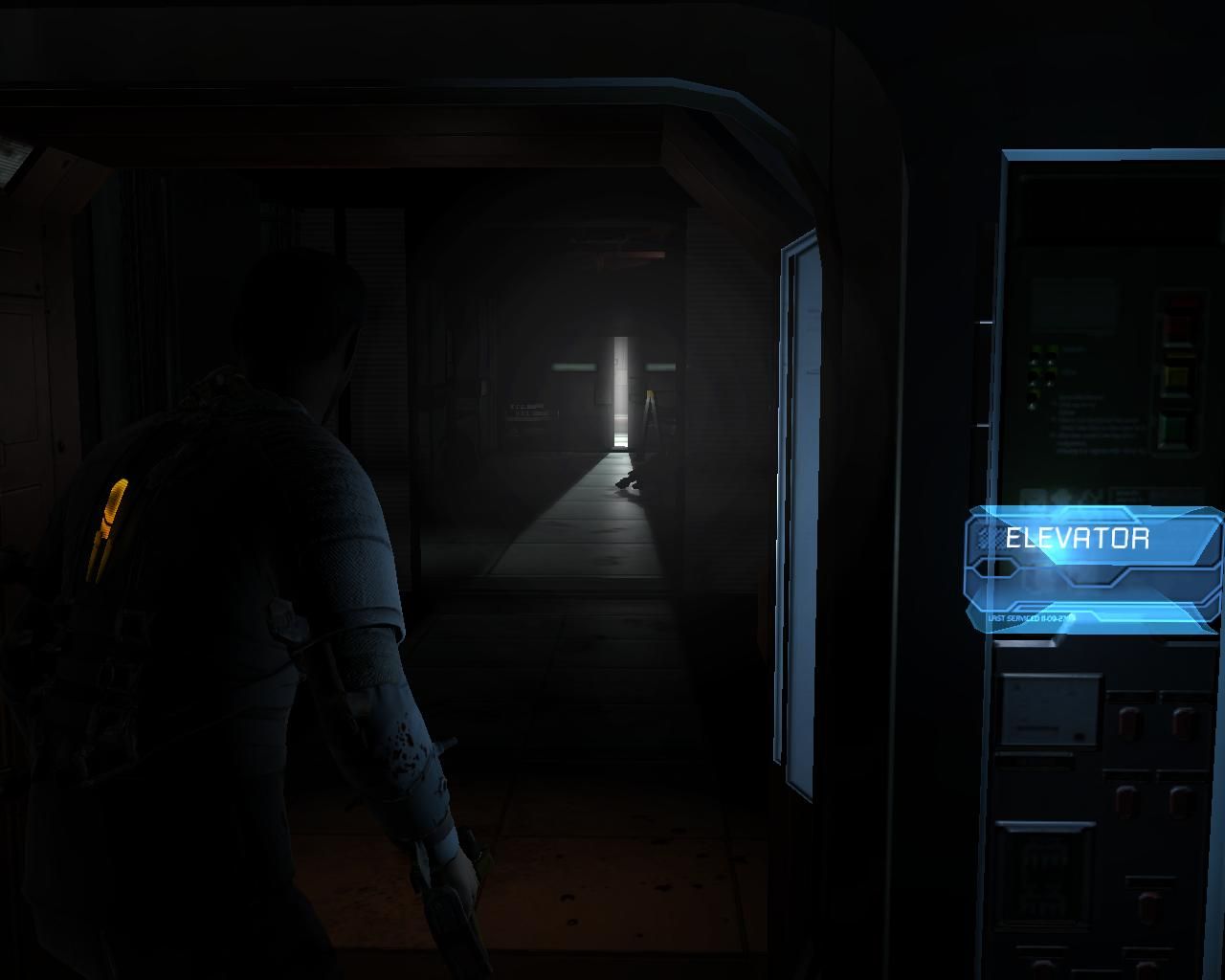
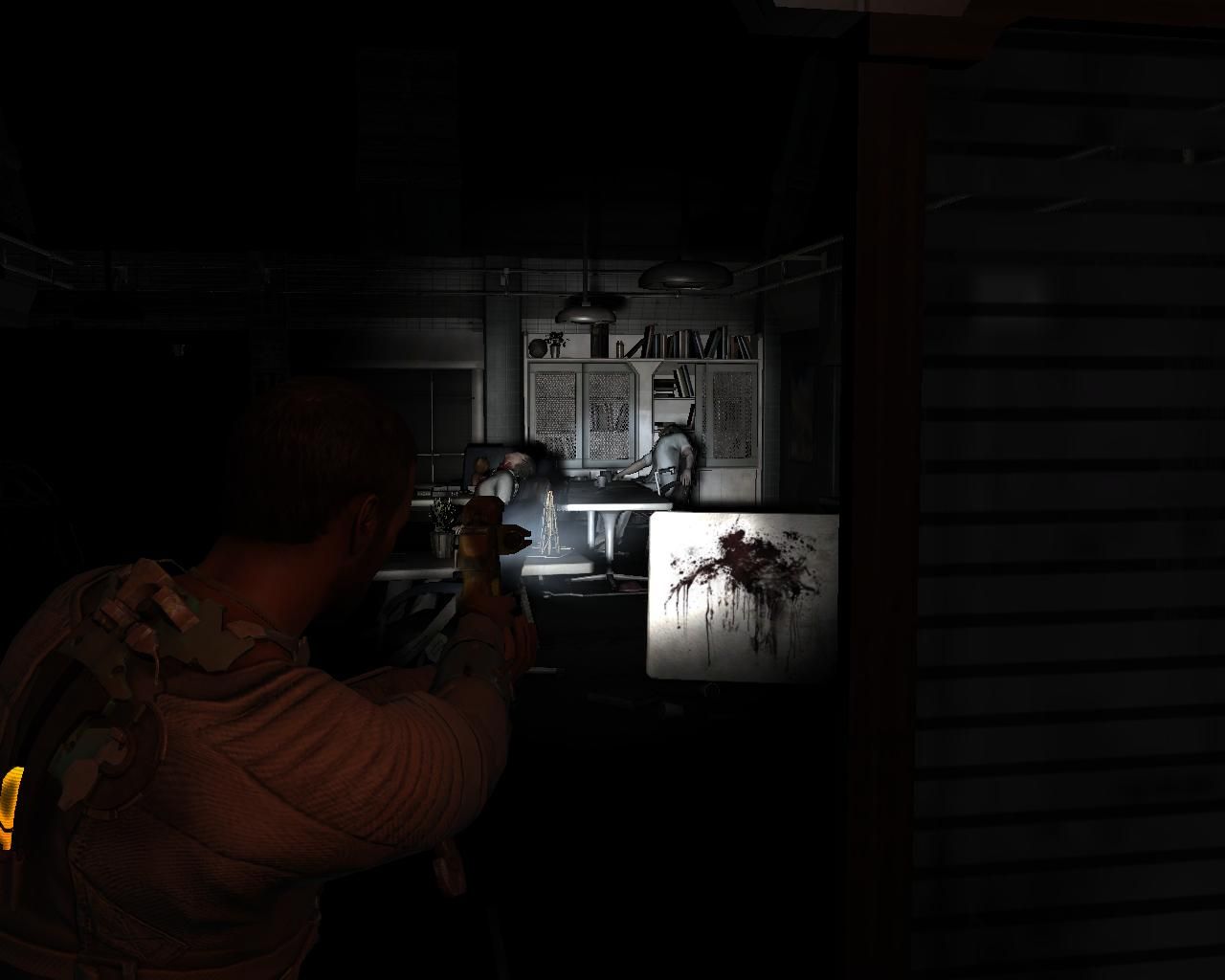
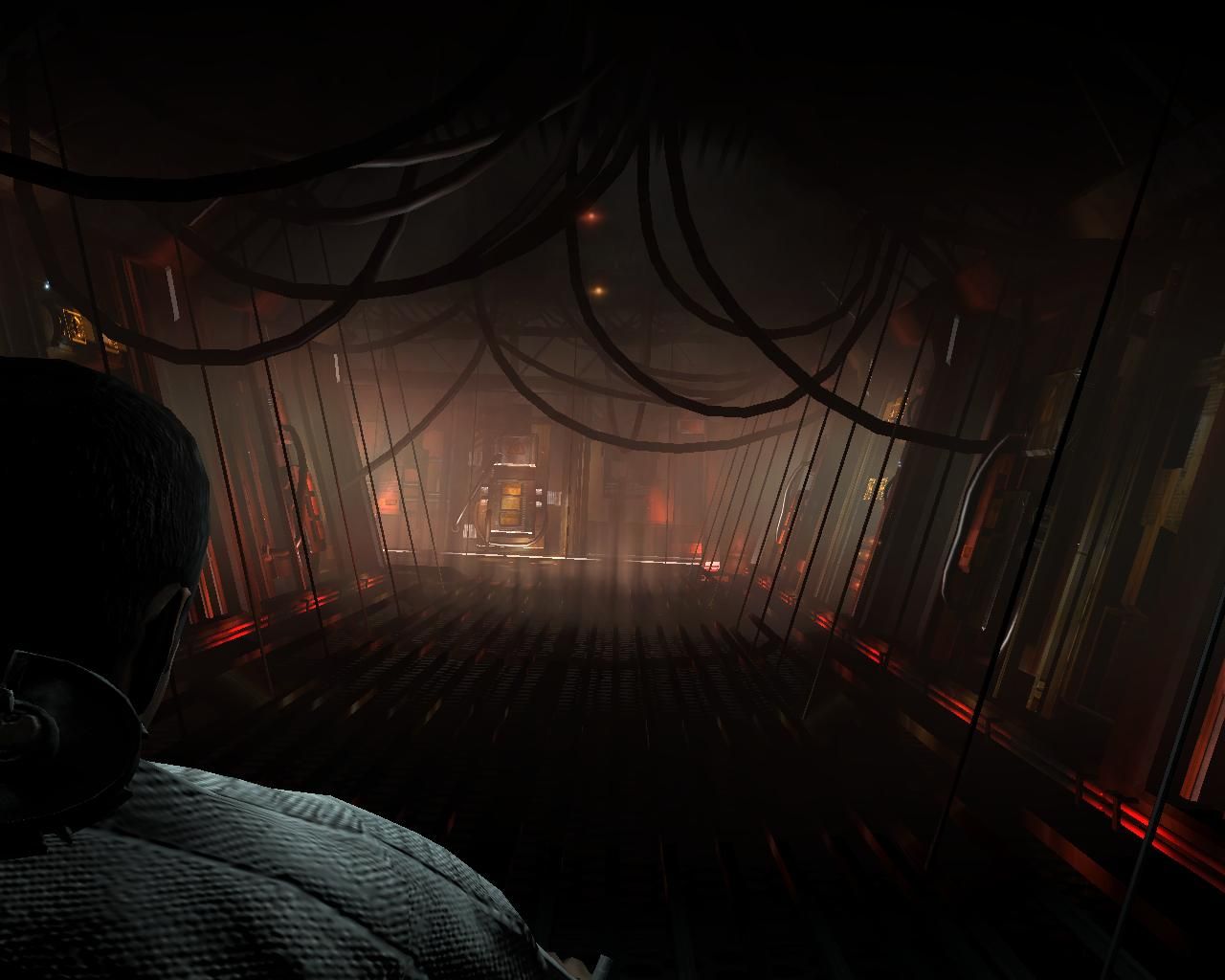
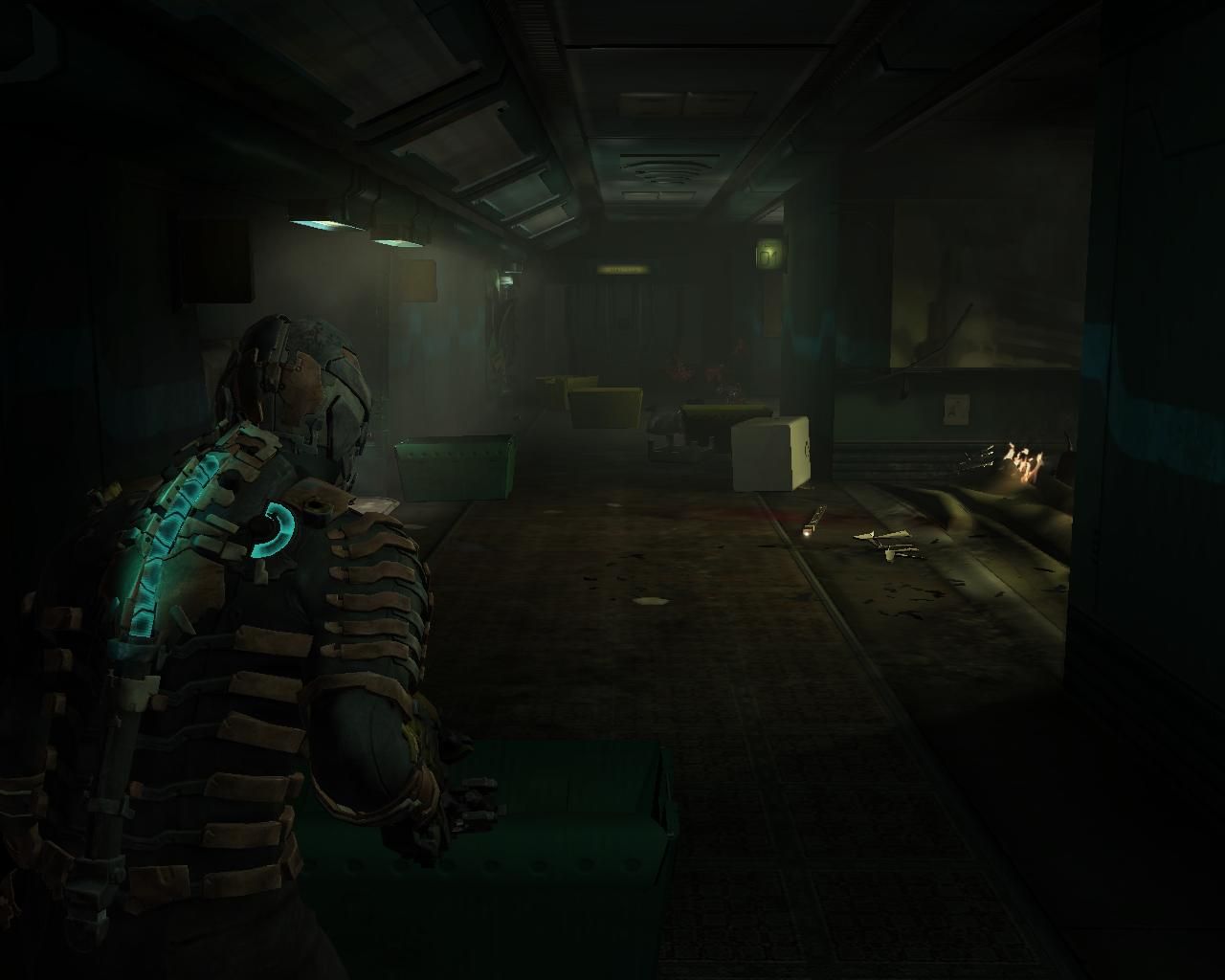
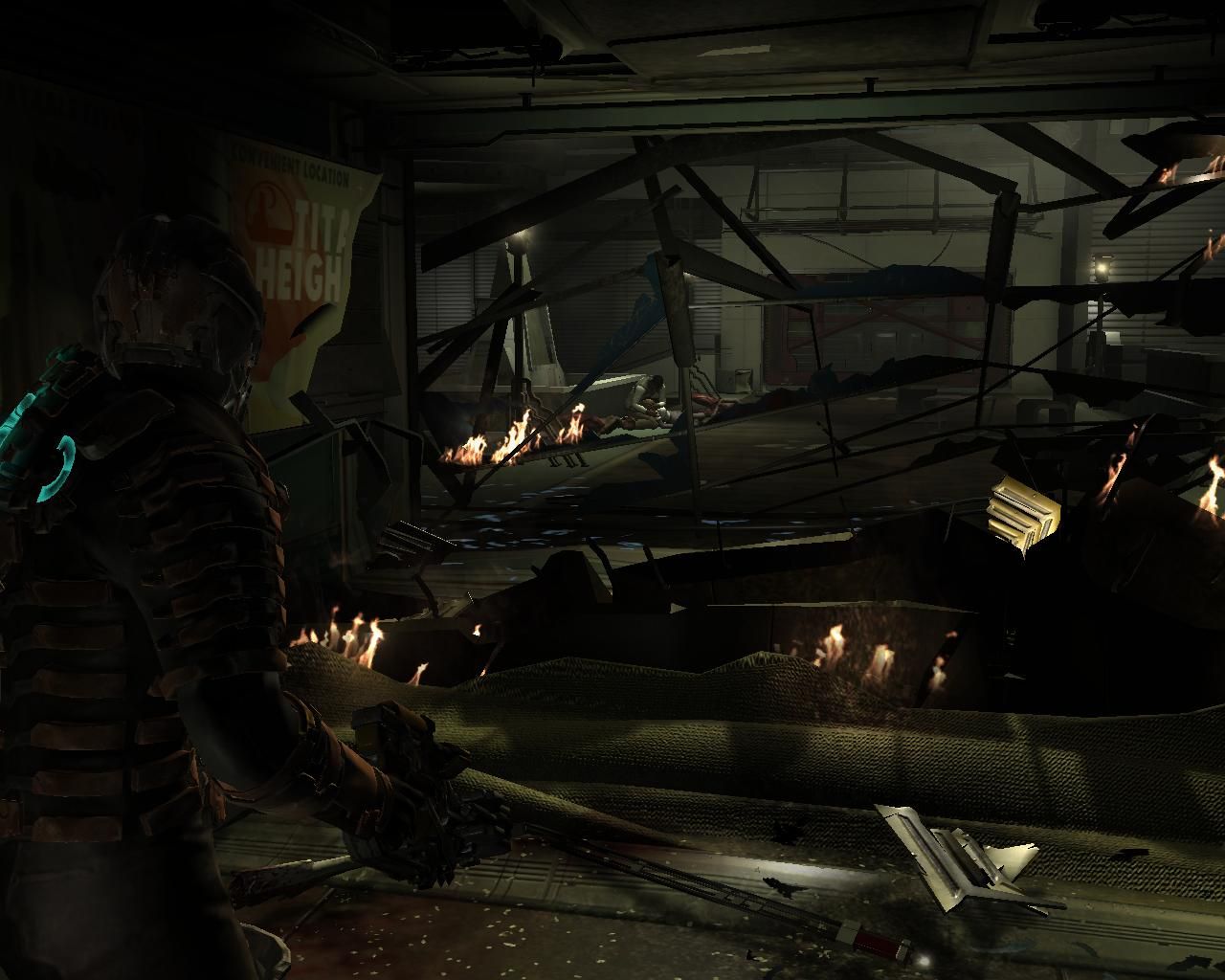
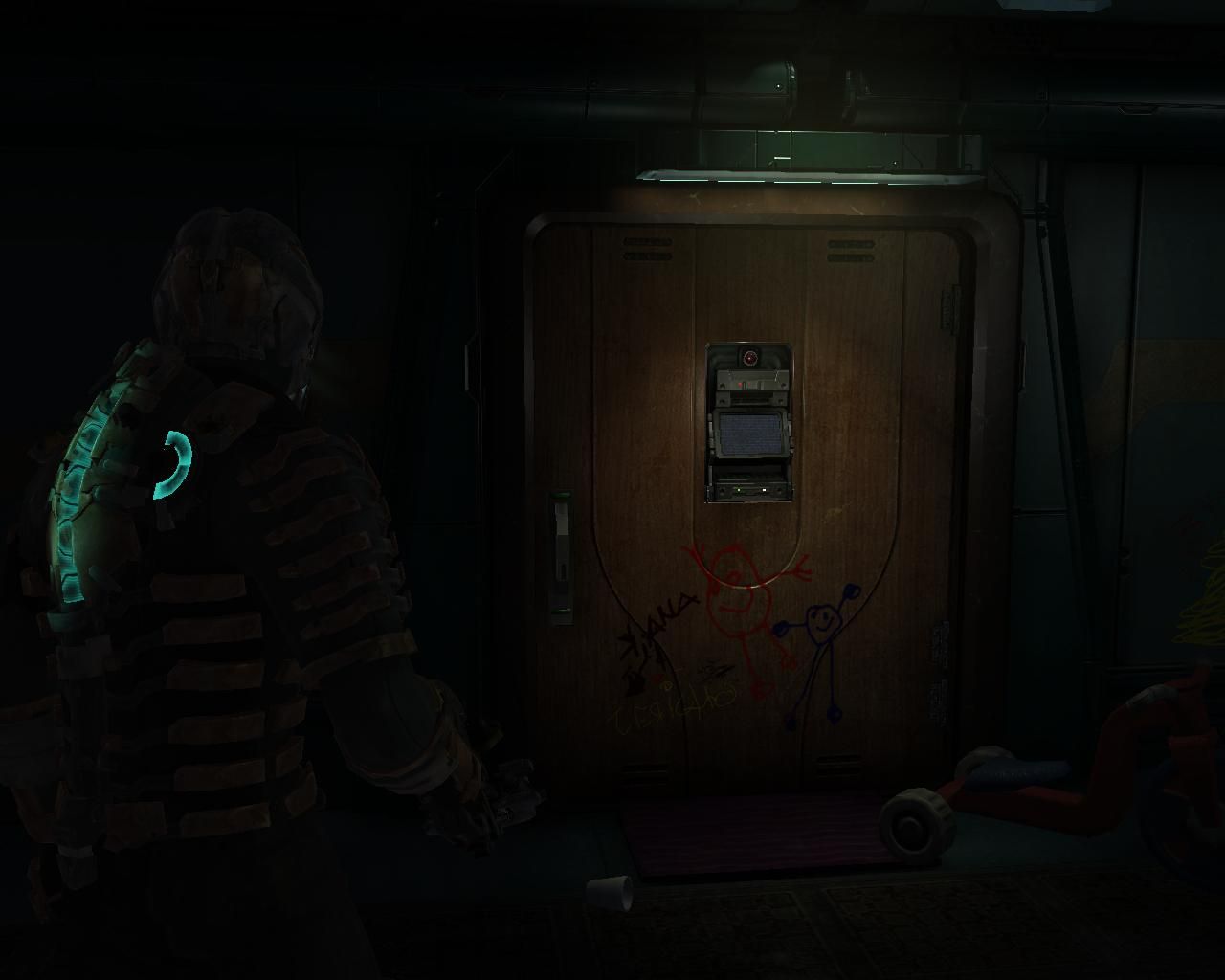
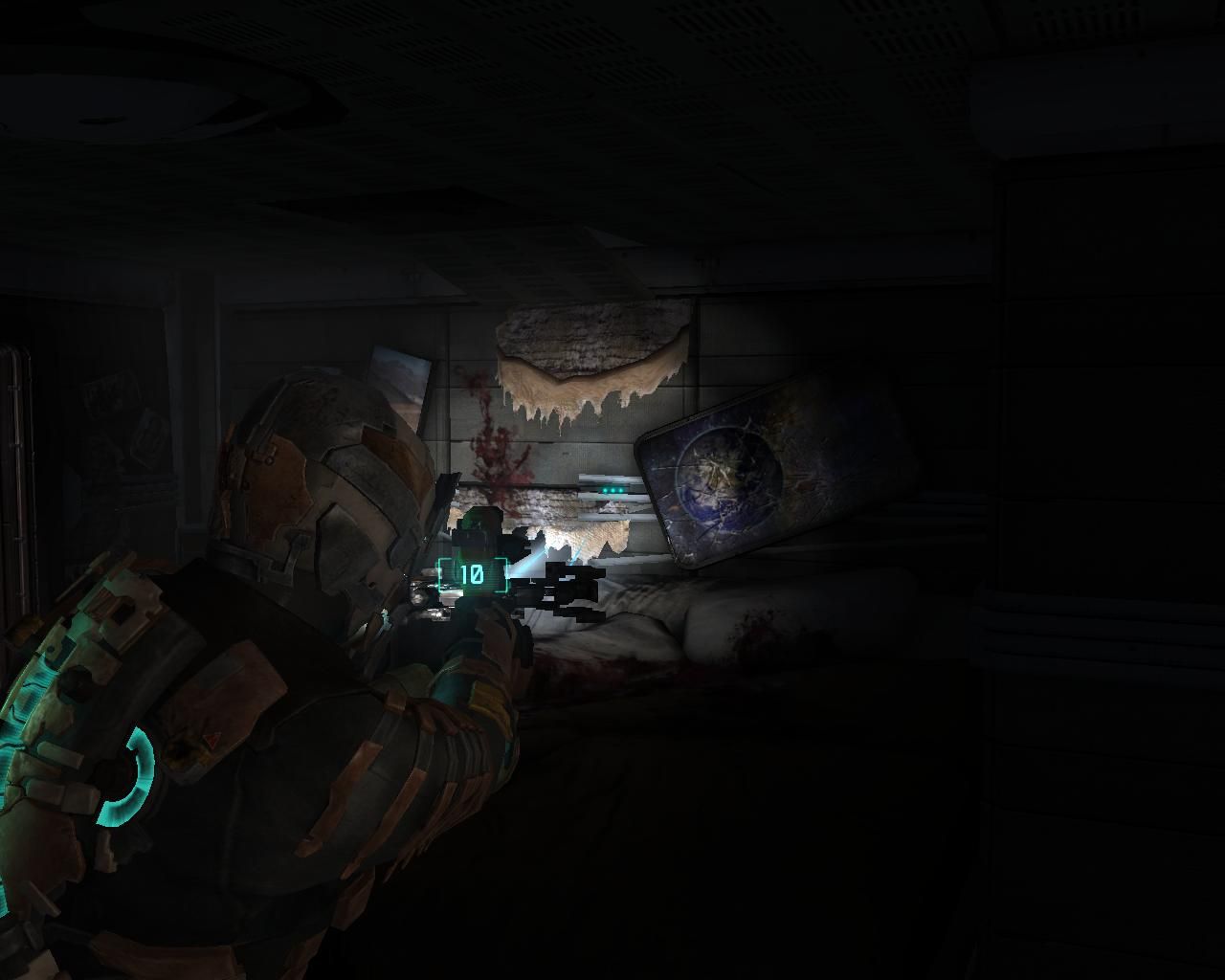
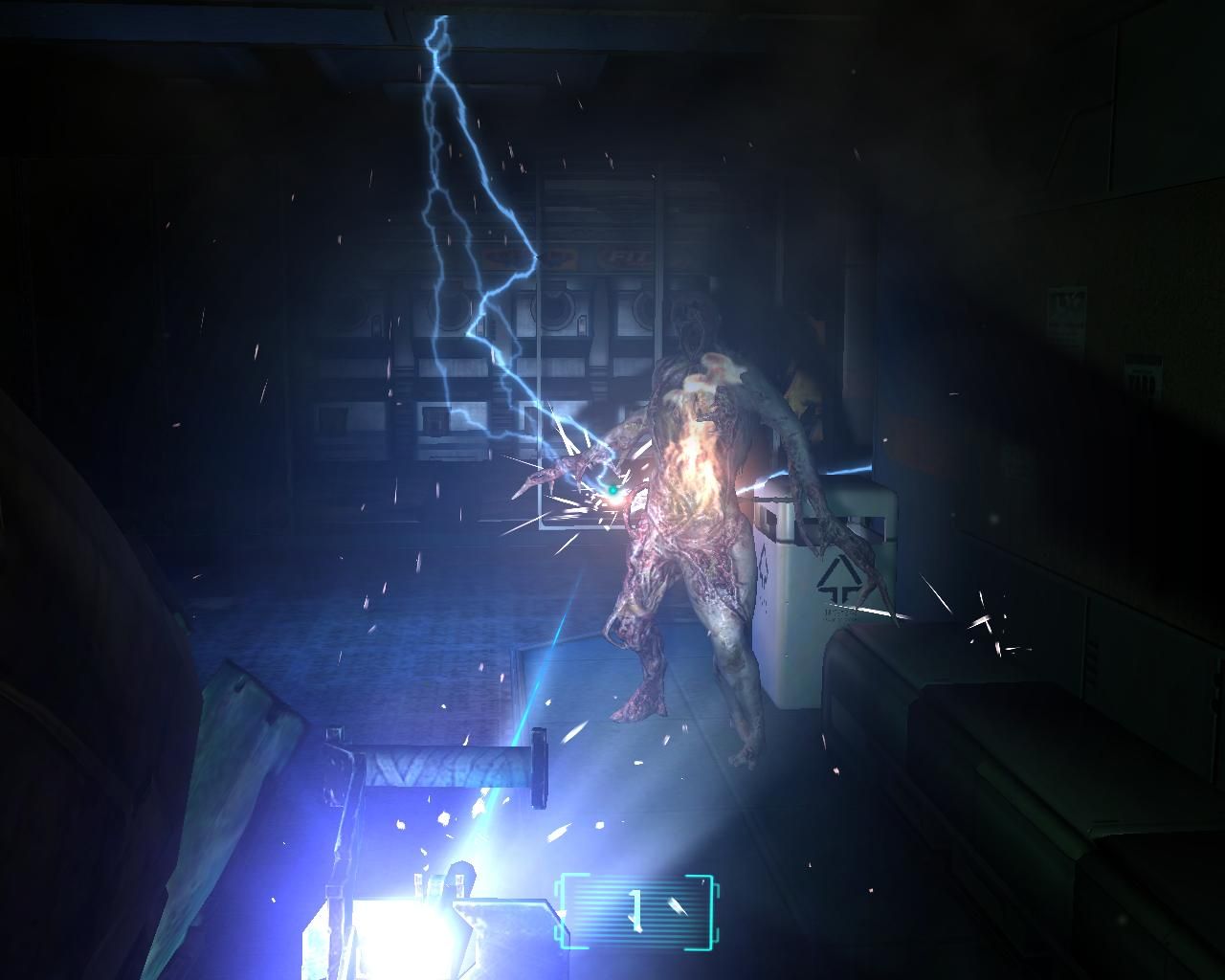
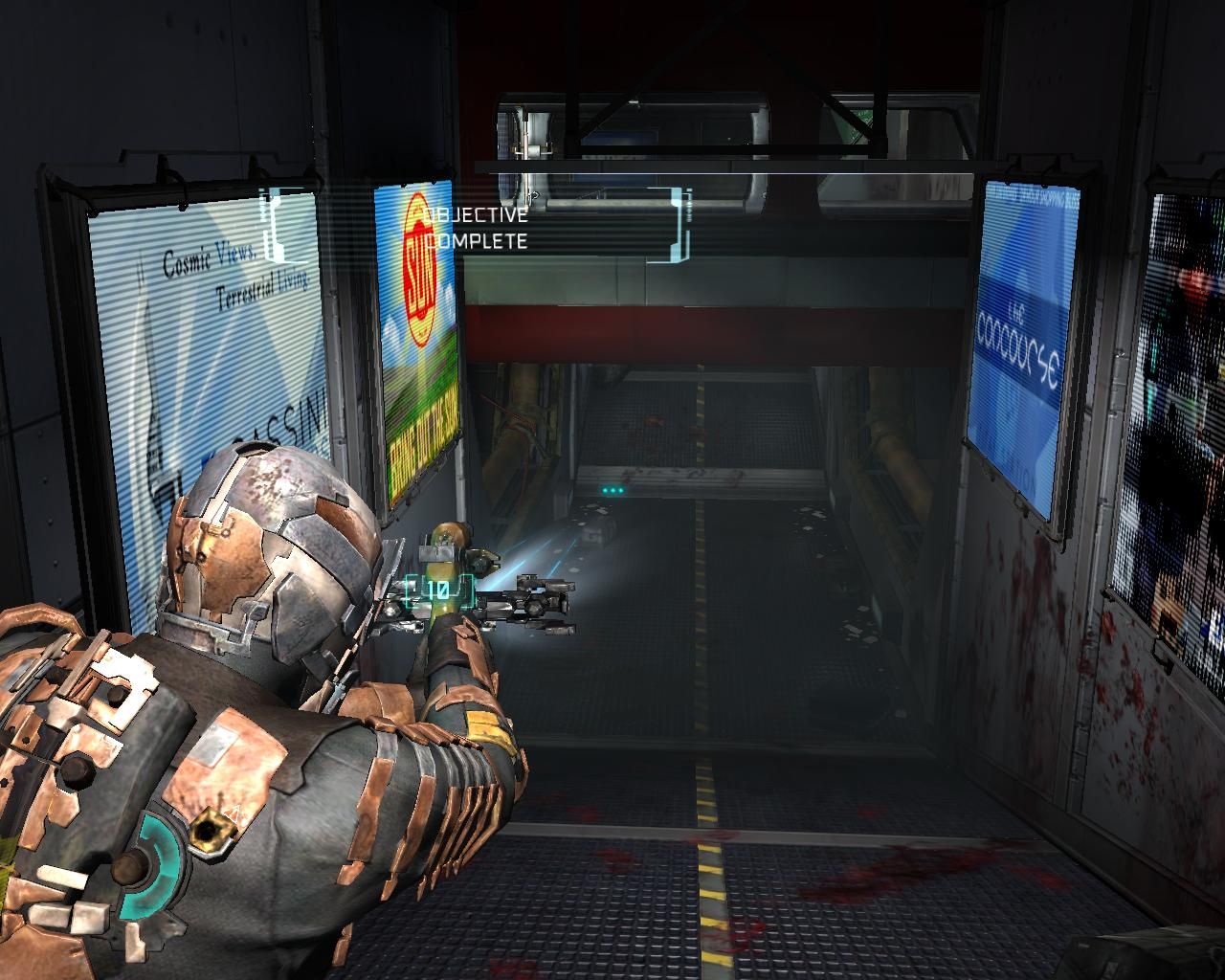
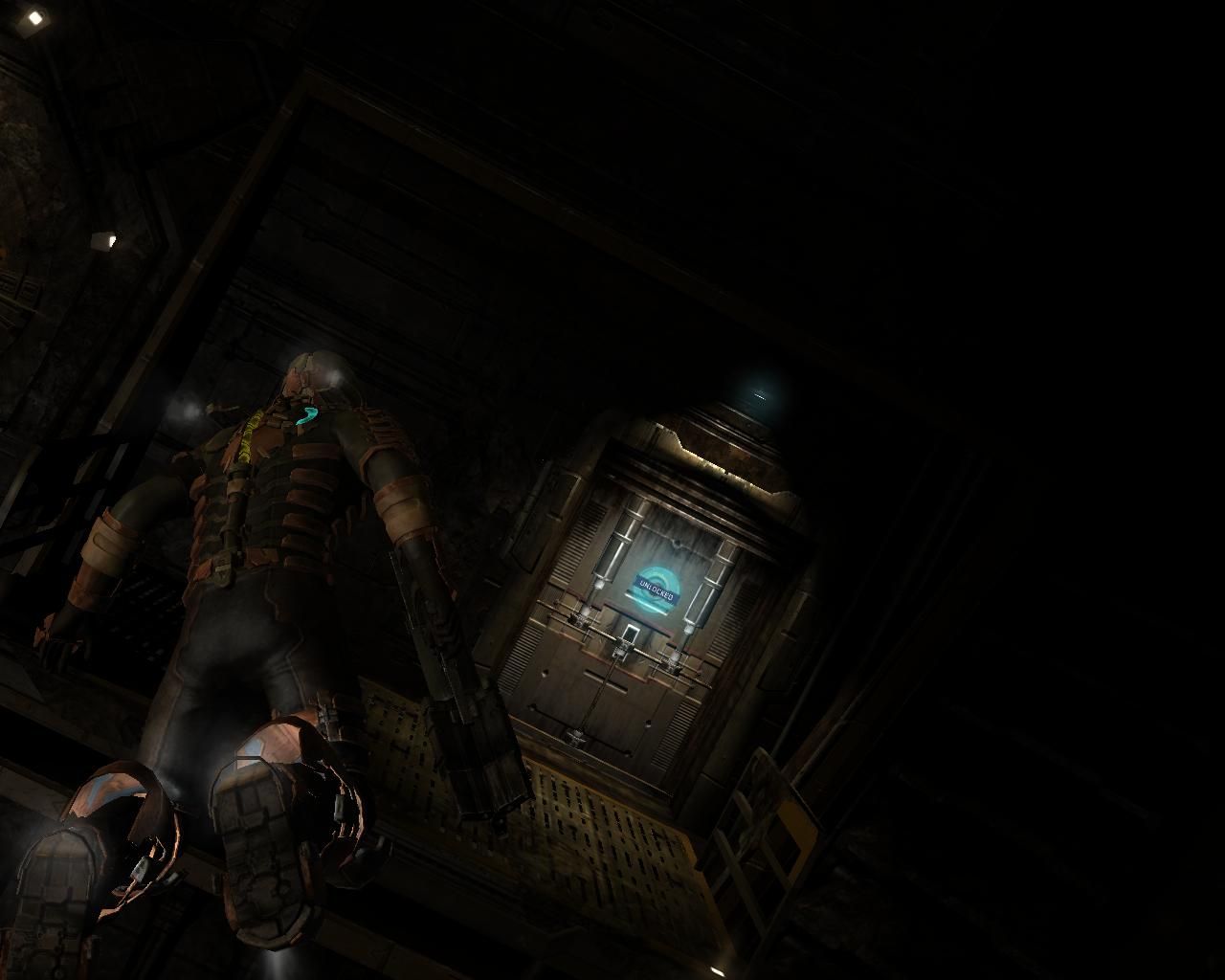
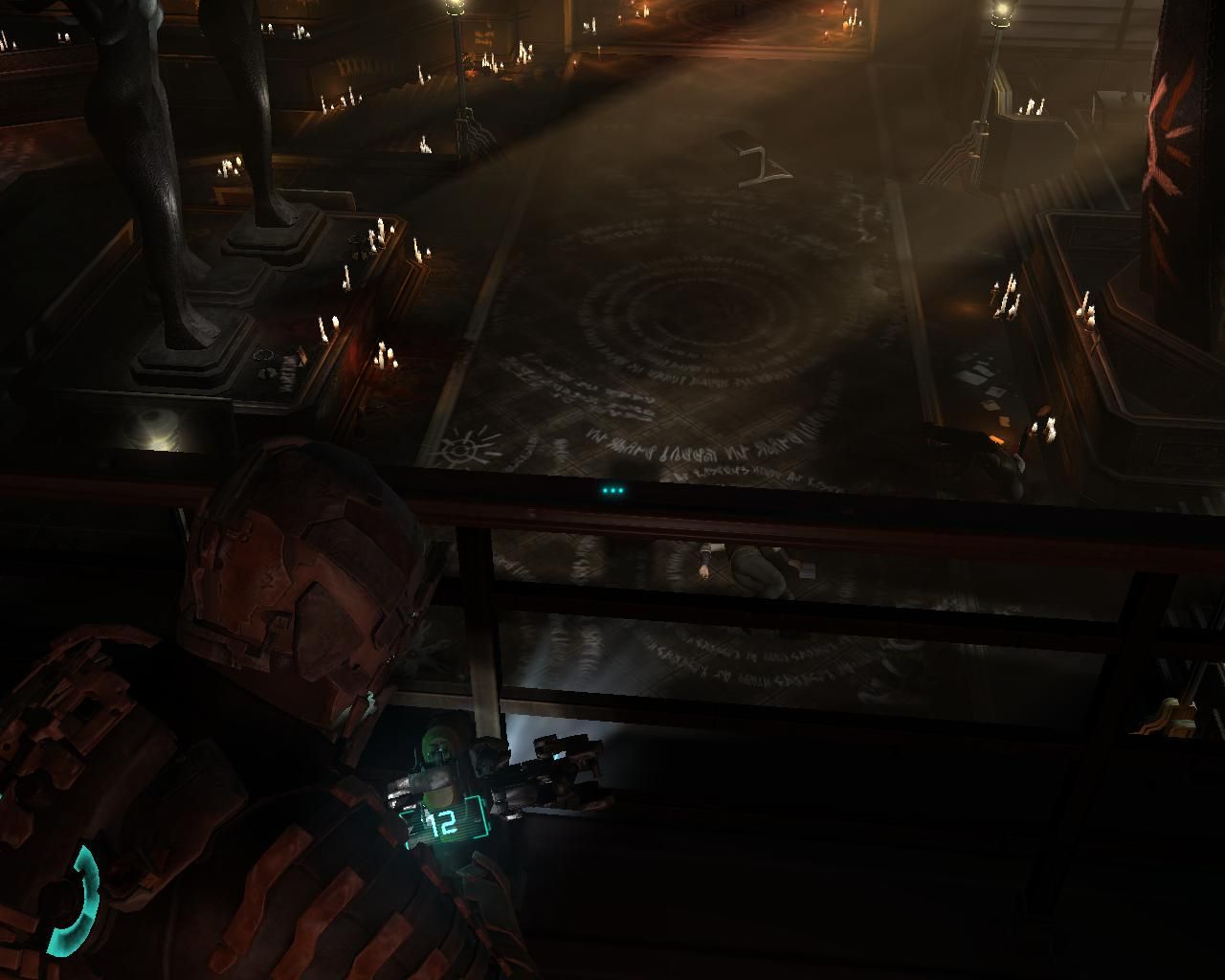
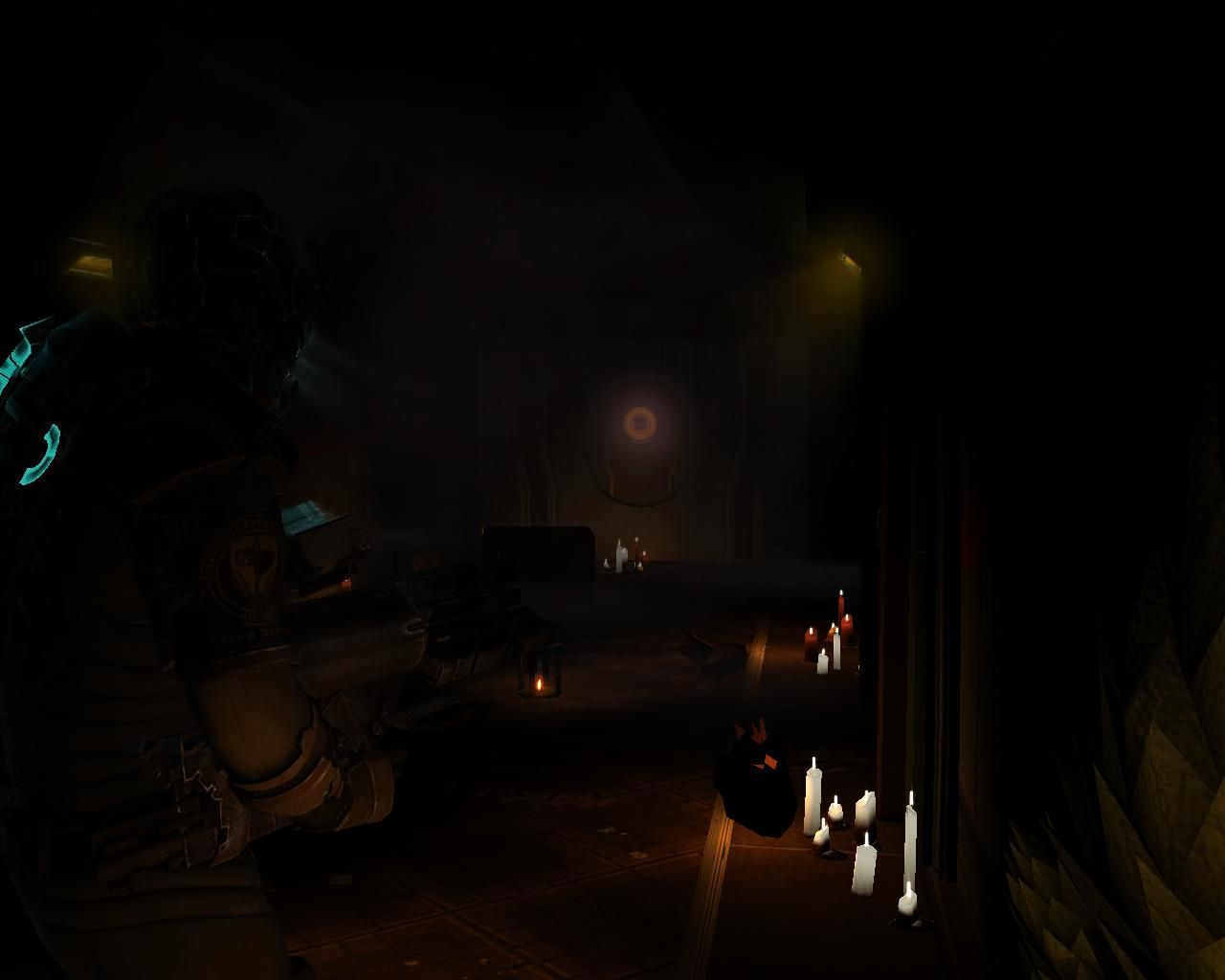
The difference however is that you can watch the chaos, panic and slaughter as it happens instead of arriving at the scene when things have settled down. The very first couple of minutes sees Isaac (still wearing a restraining jacket) run for his life from the monsters while personnel and other patients get torn to pieces. I loved this early part because it took a while before you found your first weapon, but also because of how well portrayed the mayhem was. It was also a surprise to see Isaac be fully voiced over this time around, instead of just being the "mute hero" from Dead Space 1. The game also immidietly lets you know that it will feature a lot more dark rooms and corridors and actually force you to use a flashlight to navigate. It makes it so much better to walk through shredded rooms with in the dark, tripping over metal objects and discover the horrors of blood and corpses as you are investigating or just passing through. It also makes the monster attacks, which still occur as monster smashing ventilation shafts, to be a bit more hard to quickly counter as you often hear the roar and trashing but don't immediately spot the monster.

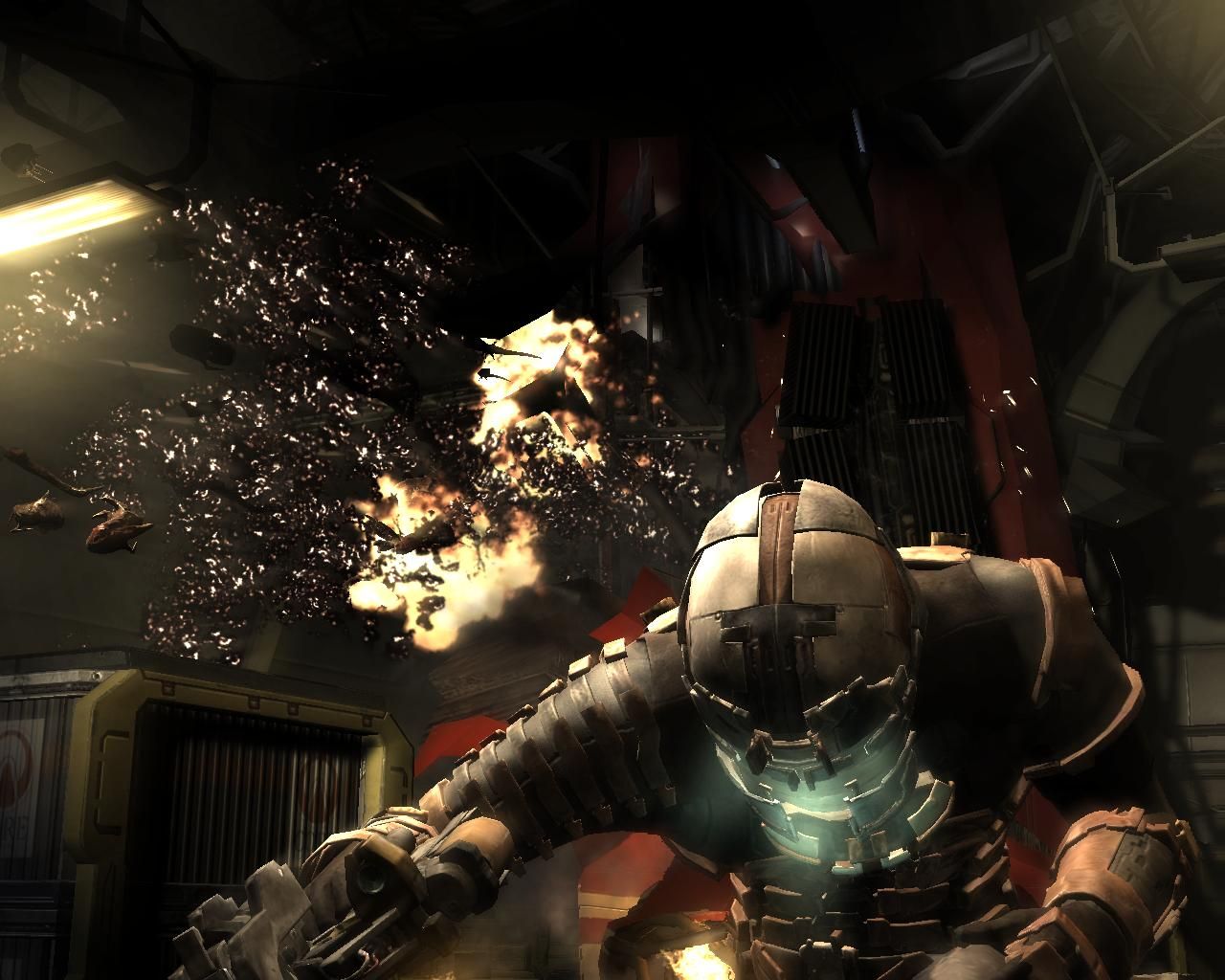
There are also other improvements that make themselves known fairly early on. The zero gravity gameplay now actually features complete movement ability with small jets propelling you forwards instead of just jumping from terrain feature to terrain feature as in Dead Space 1. This makes the zero gravity areas a lot less frustrating and adds an immense freedom of movement. There is a bunch of new weapons added to the classic arsenal from DS1, but I can't see players using all of them in one play through (just as you probably didn't use all weapons in one play through in DS1 either), simply because you want to upgrade them. Upgrades to weapons and armor still works as in DS1, you don't start completely from scrats but rather add to what you would have achieved towards the end of DS1 in terms of health bars, air supply in your suit and so on.

One very good thing about DS2 is  that it does not involve immersion breaking moments that feel completely out of place like its predecessor. There is no asteroid shooting sequence, there is no basketball mini game, or anything like that. There isn't even a tedious level like you had at the end of Dead Space 1 that centered around the gimmick of your suit being able to manipulate gravity fields to pull or lift objects. There are two things that are new in terms of game play mechanics that doesn't really add any value however, both of these are presented during  the first level and I immediately began thinking about how the game would use it at some point to create a tense situation or drive the story forward somehow. One is the ability of crawling through some short tunnel sections, I expected there to be at least one jump scare or panicked chase sequence involving these - but there was nothing. You simply crawl through a wall as means of transportation as part of the level design.

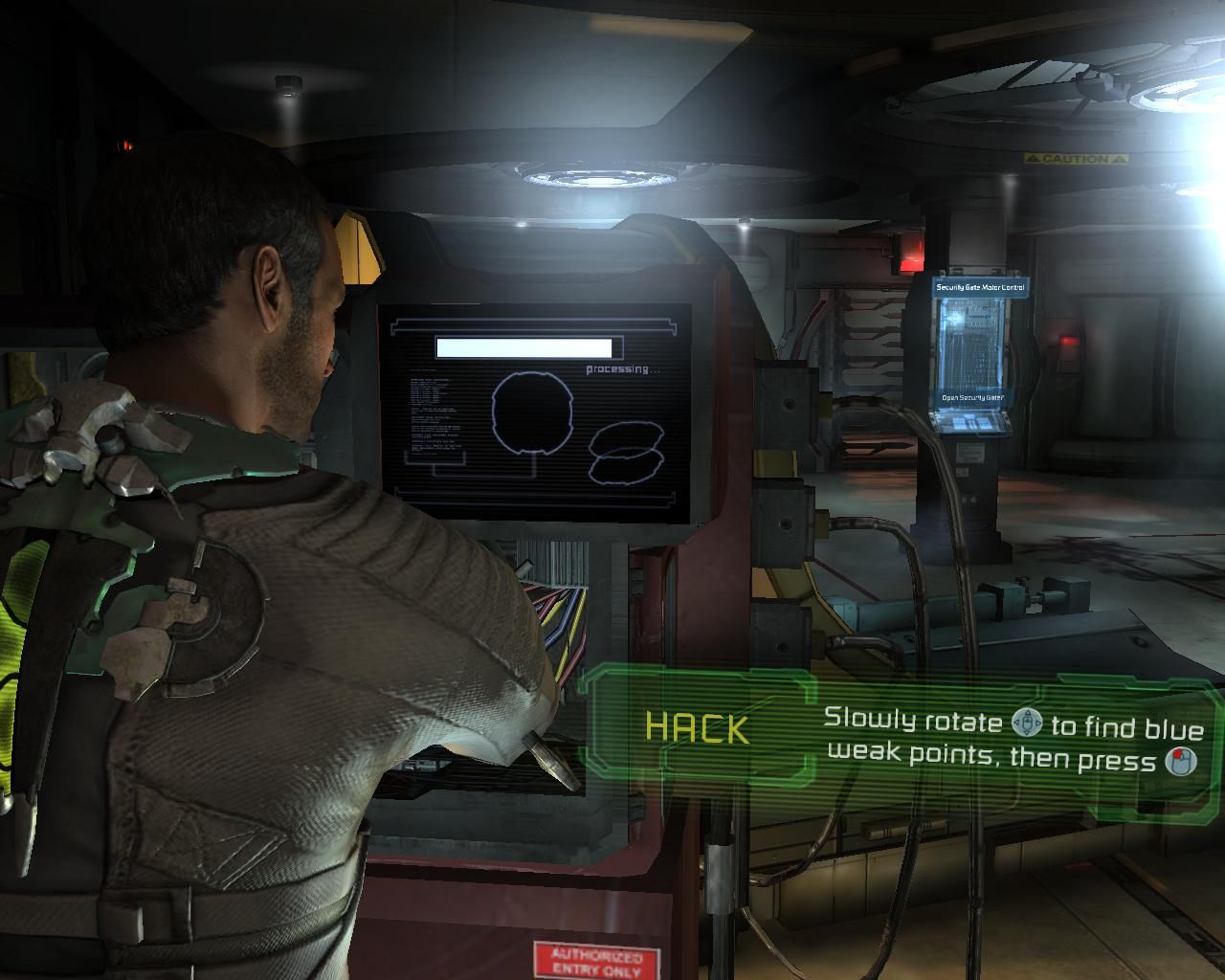
The other thing is a very simplistic "hacking" of computers/terminals which basically requires the player to aim his mouse and click at the right position 3 times in a row before a timer expires. This is quite stupid and a waste of time, it doesn't happen often enough to become a pain in the ass but as you have to do it at some points in the game it often presents a worthless addition to an otherwise slick game. It is also only used for a purpose once late in the game.

But these are just tiny tiny fragments of dirt in an otherwise well oiled machine. The story remains fairly interesting, perhaps a bit more unpredictable than the story of the first game. It still isn't very original or mind-blowing, but it's not intrusive, stupid or silly. For a story in a game it is quite alright. And the game ending ties both Dead Space 1 and 2 together very nicely. It is a tad shorter than Dead Space 1 (roughly 12 hours) but doesn't involve as much backtracking and is overall a more interesting experience. I heard Dead Space 3 messed it all up and isn't as good as the first two games, and being quite happy with how well made Dead Space 1 and 2 turned out to be I’m quite happy to leave the series at its high point.


I  give it 8.5/10 it's a worthy sequel and good game.